
Introduction
Using a walker at home can restore independence and reduce fall risk when chosen and used correctly. This beginner’s guide focuses on practical steps you can take immediately to use a walker safely in everyday spaces.
The tips below cover choosing the right device, fitting and technique, home preparation, routine maintenance, and common transfer scenarios. Follow clear, consistent practices to make mobility safer and more comfortable.
Choosing the Right Walker
Walkers come in several styles—standard fixed-frame models, rolling walkers (rollators), and specialty designs. For many users, a basic, sturdy option is the best starting point. Browse options like Standard Walkers to compare frame widths, handle styles, and weight ratings.
Consider these selection factors: your balance and strength, need for a seat, braking ability, home layout (tight spaces or carpet), and whether you’ll lift the walker or roll it. If you need a seat for rest breaks or longer walks, a rollator or walker with a built-in seat may be preferable.
Preparing Your Home
Safe walker use begins with clearing the environment. Remove loose rugs, secure loose cords, improve lighting, and ensure floors are dry. Bathrooms are a high-risk area—installing supportive seating like Shower Chairs with Backs can reduce the need to maneuver a walker on wet surfaces.
Arrange frequently used items within reach at waist height to avoid unnecessary bending or reaching. Ensure thresholds and mats are low and well-secured so walker tips or wheels won’t catch.
Adjusting Height and Fit
Proper walker height is essential for comfort and stability. When standing upright with shoes on, your elbows should be slightly bent—about 15 degrees—when holding the handles. Many models offer incremental height settings; for example, adjustable options like the Drive Medical two-button folding walker show how simple height adjustments can be.
Check the handle grips for comfort and replace or add padding if needed. If you feel hunched or reach forward to hold the walker, lower or raise the handles until your posture is neutral.
Safe Walking Technique and Posture
Follow a steady, confident sequence whenever you walk: move the walker forward first, step to the center of the frame, then bring your trailing foot up. Avoid leaning on the walker; use it for balance and weight support as directed by your therapist. Keep your head up and look ahead, not at the floor.
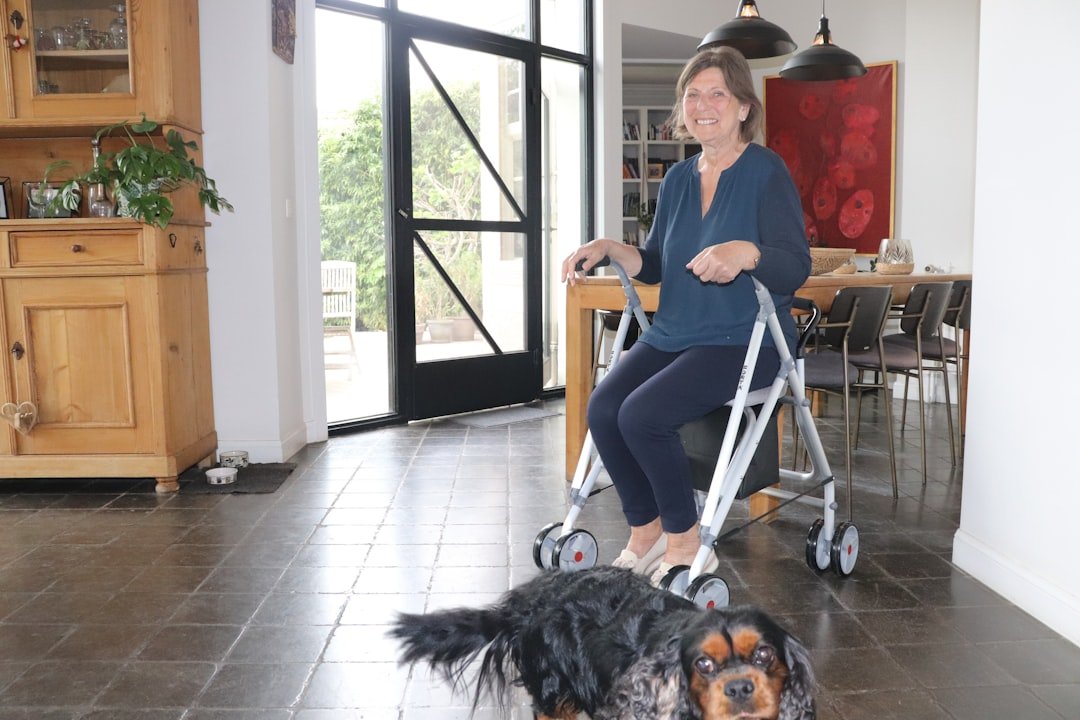
If you need a device with a seat to rest during longer walks, consider alternatives such as foldable rollator walkers with seat. These provide a stable seat and brakes, allowing you to sit safely when needed without transferring to another chair.
Navigating Thresholds, Ramps, and Stairs
Walkers are generally not designed for stairs. If your daily routine requires negotiating steps, plan alternatives: install ramps where possible, use handrails, and avoid carrying items while using the walker. For transfers that are difficult or high-risk, powered solutions such as Electric Patient Lifts can assist caregivers and reduce strain during bed-to-chair moves.
On ramps, take slow, controlled steps and keep the walker close. If the slope is steep or uneven, ask for assistance rather than attempting it alone.
Transfers: Bed, Chair, and Vehicle
Transferring between surfaces is a common source of falls. Practice a consistent transfer routine: lock brakes on chairs or rollators, position the walker to the side or back of the seat, and use armrests for a push-up if available. For repeated or heavier transfers, consider using Patient Transfer Sheets or a caregiver-assisted technique to move safely.
When getting in and out of vehicles, transfer onto a stable seat first, then pivot with your weight centered. Use grab handles and ensure the vehicle seat is pushed back sufficiently before transferring.
Maintenance and When to Replace
Routine checks extend the life of a walker and preserve safety. Weekly: inspect tips for wear, test brakes or wheels, and ensure all fasteners are tight. Replace rubber tips when they are cracked or uneven. For rolling walkers, make sure wheels turn freely and brakes engage fully.
If a walker becomes wobbly, has bent tubing, persistent squeaks, or the brakes fail repeatedly, it may be time to switch to a different mobility solution—such as Lightweight Folding Wheelchairs—until a replacement is obtained or repairs are completed.
Accessories and Comfort
Small accessories improve safety and convenience. A basket or pouch keeps essentials within reach and prevents awkward carrying. Padded grips, wrist straps, and non-slip tips increase comfort. For users who require seated rest or assistance standing from a chair, consider furniture with built-in lift assistance like Power Lift Recliner Chairs, which help reduce strain during sit-to-stand motions.
Label and store the walker in a consistent place so it’s easy to find. Keep a small repair kit (allen keys, replacement tips) nearby for quick fixes.
Checklist: Quick Safety Reminders
- Adjust walker height so elbows bend ~15 degrees when standing.
- Clear floors of rugs, cords, and clutter before walking.
- Wear sturdy, non-slip shoes—avoid slippers or loose footwear.
- Move the walker first, then step into its center—maintain upright posture.
- Check tips, brakes, and fasteners weekly; replace worn parts.
- Use seated devices or transfer aids for long distances or difficult transfers.
- Keep frequently used items within arm’s reach to avoid overreaching.
FAQ
Q: How do I know if a walker is the right choice?
A: Choose a walker if you need steadying support while walking but can bear some weight on both legs. If you need to sit frequently, consider a rollator with a seat. When in doubt, ask a physical therapist for a mobility assessment.
Q: Can I use a walker on carpet and tile?
A: Yes, but be cautious. Thick carpet can drag the walker forward; ensure the walker tips or wheels move smoothly. On tile, avoid wet areas and keep wheels clean to prevent slipping.
Q: How often should rubber tips be replaced?
A: Replace tips when you see uneven wear, cracking, or if the walker slips more than usual—often every 6–12 months with regular use. Replace sooner if you notice damage.
Q: Is it safe to carry items while using a walker?
A: Avoid carrying items in your hands while using the walker. Use a basket, pouch, or shoulder bag to keep hands free. If you must carry something, transfer it into a walker-mounted bag.
Q: What should I do if I feel unsteady while using the walker?
A: Stop and steady yourself by sitting if possible, or hold onto a stable surface. Review your walker fit and technique, check for worn parts, and seek assessment from a healthcare professional if instability persists.
Conclusion
Using a walker safely at home is about the right fit, a safe environment, consistent technique, and routine maintenance. Make incremental changes—adjust height, clear pathways, and adopt a steady walking pattern—to reduce risk and regain confidence. Small, practical steps lead to safer mobility every day.
Products Featured in This Article
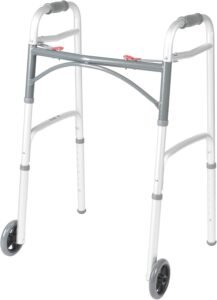
Drive Medical Two-Button Folding Wa…
The Drive Medical Two-Button Folding Walker with Wheels is built for adults and seniors who need…
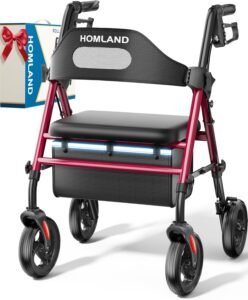
HOMLAND Foldable Rollator Walkers f…
Product description Homland Rollator Walker Add to Cart Add to Cart Add to Cart Add to…