

How to Adjust a Walking Cane for Better Balance and Comfort
Using a cane correctly can make daily movement steadier, reduce discomfort, and lower the risk of slips or falls. Small adjustments to height, grip, and tip can create a big difference in how safe and comfortable the cane feels.
At EveMedical we focus on practical guidance and reliable products to help you get the most from mobility aids. Explore our range for options and accessories that pair well with these tips: EveMedical.
Choose the Right Cane Type First
Before adjusting, confirm the cane style suits your needs. Single-point canes are lightweight and good for mild balance issues; quad canes add a broader base for extra stability. Folding and decorative canes are convenient for travel and daily use—if you prefer an adjustable folding option, consider models like the floral folding canes designed for stability and easy storage: Floral Canes for Women Folding Cane.
How to Measure and Set Cane Height
Correct height is the foundation of good cane use. Follow these steps:
- Wear the shoes you normally use when walking.
- Stand upright with arms hanging naturally.
- Set the cane tip about 4–6 inches to the side of your foot (on the opposite side of the affected leg).
- Adjust the cane so the handle sits at the level of your wrist crease when your elbow is slightly bent about 15–20 degrees.
If you’re also considering other mobility aids for longer walks or greater support, standard walkers are an alternative to evaluate: Standard Walkers.
Adjusting Handle and Grip for Comfort
Grip comfort prevents hand fatigue and improves control. If your cane has an adjustable handle, set it so your wrist rests naturally. Foam or ergonomic grips distribute pressure across the palm and reduce hotspots. For extra cushioning or worn grips, consider a memory-foam or padded cover that fits common handles: SPRING SEAON Plush Memory‑Foam Crutch & Grip Covers.
Check and Replace the Cane Tip
The rubber tip is the cane’s only contact with the ground. Worn tips reduce traction and stability—inspect the tip for thinning, cracks, or hardening at least monthly. Replace tips with heavy-use designs or multi-surface tips if you walk on varied terrain. For people who need more surface contact, a quad base or larger tip increases stability; make sure replacements match the cane’s shaft diameter and load rating.
Practicing Stance and Gait with the Adjusted Cane
Proper timing and placement of the cane improves balance:
- Hold the cane on the side opposite your weaker leg.
- Move the cane forward at the same time as the weaker leg.
- Step through with the stronger leg so your weight shifts past the cane.
Practice short walks in a safe environment—hallway or kitchen—until the movement feels natural. If you have trouble coordinating steps or need a different supportive approach, forearm crutches are an alternative for ongoing balance problems: Forearm Crutches.
Home Safety and Cane Storage
Keep your walking route free of clutter, loose rugs, and trailing cords. Non-slip mats in bathrooms and at entryways improve traction. When not in use, store your cane where you can reach it easily from a chair or bed; an upright stand or hook by the door works well.
In the bathroom, adding a supported seating surface reduces fall risk during transfers—consider a shower chair with a back for added security: Shower Chairs with Backs.
Maintenance, Inspection, and Accessories
Routine care keeps the cane dependable. Wipe the shaft and handle with a mild cleaner, check locking mechanisms on adjustable canes, and tighten any screws. Replace worn parts promptly—especially tips and grips. Accessories can improve function: larger bases, wrist straps, and folding hinges for easy travel are common upgrades. If mobility becomes more limited, lightweight folding wheelchairs can offer greater independence for long distances: Lightweight Folding Wheelchairs.
When to Consider Other Mobility Options
If you continue to feel unsafe despite adjustments—repeated near-falls, persistent pain when using the cane, or difficulty walking household distances—explore other supports. Forearm or underarm crutches, walkers, knee scooters, or powered lift seating may be more appropriate depending on strength and endurance. For improved sit‑to‑stand assistance, power lift recliners can reduce strain during transfers and help preserve energy: Power Lift Recliner Chairs.
Quick Checklist: Adjusting Your Cane
- Wear normal shoes when measuring height.
- Set handle at wrist crease with 15–20° elbow bend.
- Position cane opposite the weaker leg, 4–6 inches to the side.
- Inspect tip, grip, and shaft for wear monthly.
- Practice coordinated steps in a safe, clutter-free area.
- Consider a different aid if you have repeated instability.
FAQ
Q: How do I know if the cane height is correct?
A: With the cane tip about 4–6 inches from your foot and your elbow slightly bent (15–20°), the handle should line up with your wrist crease when standing upright.
Q: Which side should I hold the cane on?
A: Hold the cane on the side opposite the weaker or painful leg to offload weight and improve balance.
Q: How often should I replace the cane tip?
A: Inspect tips monthly; replace sooner if you see wearing, cracking, or reduced traction.
Q: My hand hurts when gripping the cane—what can I do?
A: Try an ergonomic or cushioned grip cover, adjust handle height, or switch to a grip shape that fits your palm better.
Q: Are folding canes less stable?
A: Quality folding canes are engineered for daily use and stability, but inspect the locking mechanism frequently to ensure it’s secure before walking.
Q: When should I switch from a cane to a different device?
A: If you have ongoing balance loss, frequent stumbles, or can’t walk household distances safely, consider walkers, crutches, or wheelchairs as appropriate.
Conclusion
Proper cane adjustment—correct height, secure grip, and reliable tip—improves balance and comfort immediately. Use the checklist, practice your gait in a safe area, and inspect parts regularly. If your needs change, explore other mobility options to stay safe and independent.
Products Featured in This Article

Floral Canes for Women Folding Cane…
Discover the Ultimate Walking Support with YOKABOZE Welcome to a new level of mobility and independence….
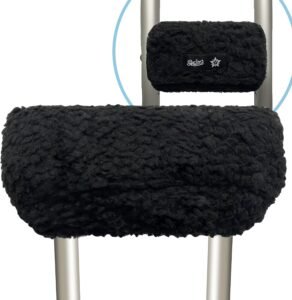
SPRING SEAON Plush Memory‑Foam Cr…
Product description Related Products Add to Cart Add to Cart Add to Cart Add to Cart…