
How to Manage Incontinence Care with Comfort and Dignity
Incontinence care is a practical, everyday need for millions of people and their caregivers. Approaching it with planning, the right products, and compassionate routines preserves comfort and dignity while reducing stress for everyone involved.
This guide offers clear, actionable steps to manage incontinence at home and in care settings. It focuses on comfort, cleanliness, mobility, and safety—so you can build a dependable plan that fits the person’s lifestyle and needs.
Understand Types, Triggers, and When to Collect Samples
Different types of incontinence (stress, urge, overflow) and underlying causes require different responses. Track patterns—time of day, activities, fluid intake—and share observations with a healthcare provider. When infection is suspected, accurate urine collection helps diagnosis; store and transport samples safely using dedicated supplies like specimen containers.
Choose Bedding and Clothing that Protect and Preserve Dignity
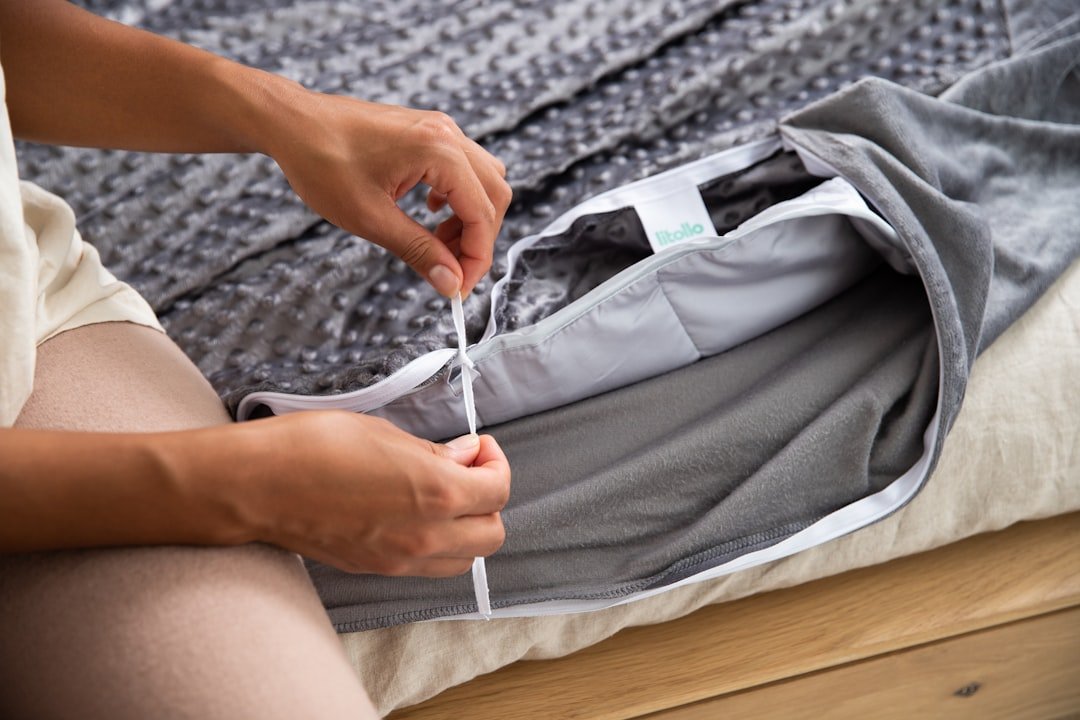
Good bedding and absorbent garments reduce nighttime disruptions and protect mattresses. Look for reusable, washable pads that are quick to change and comfortable against the skin. A durable option such as a reusable bed pad provides protection and makes bed changes faster and less intrusive.
Safe Transfers and Repositioning: Minimize Strain
Transfers and turning are frequent tasks in incontinence care. Protect skin and reduce caregiver strain by using tools that make transfers easier and safer. Transfer sheets glide under a person to reposition them with minimal friction—consider training and using transfer sheets to reduce shear and speed routine changes.
Seating and Mobility Solutions That Support Independence
Seating that eases standing and sitting preserves dignity at toileting time and reduces fall risk. Chairs with power-lift or adjustable features help a person move independently or with minimal assistance. A power lift recliner can be a practical living-room solution that supports comfortable toileting routines and reduces caregiver lifting.
Bathroom Access, Hygiene, and Equipment
Making the bathroom safe and welcoming reduces anxiety and supports dignity. A sturdy, well-positioned seat inside the shower simplifies washing and reduces the need to transfer to a tub. If standing is difficult, choose a shower chair with arms and height adjustment to make hygiene routines safer and more private.
For collection of urine samples at home or for routine monitoring when toilet transfer is challenging, a purpose-made urine collection hat fits the toilet bowl and captures samples discreetly—helpful for caregivers and clinicians when testing is needed.
Monitoring, Fall Prevention, and Nighttime Support
Many people with incontinence also have mobility or cognitive issues that increase fall risk, especially at night. Early alert systems and pressure sensors notify caregivers when someone is rising so assistance can be provided before a fall occurs. Consider practical options ranging from single devices to integrated solutions—products such as a dedicated bed exit alarm are useful in many home-care situations. For broader selection and compatibility, review the full category of bed-exit alarm systems.
Skin Care and Comfort: Prevent Irritation and Soothing Steps
Moisture and friction increase the risk of irritation and breakdown. Use gentle cleansers, pat skin dry, and apply barrier creams as recommended by a clinician. Limit unnecessary changes that disturb sleep; when changes are needed, work calmly and quickly, using proper positioning to protect skin and preserve comfort.
Practical Daily Routines That Reduce Stress
Consistency improves outcomes. Build a routine that balances scheduled toileting or prompted voiding, timed fluid intake, and comfortable clothing choices. Keep supplies organized and accessible—bags for travel, a stock of pads and wipes near the changing area, and a clear laundry plan for reusable items.
Checklist: Essentials for Comfortable, Dignified Incontinence Care
- Comfortable, absorbent bedding (reusable bed pad or mattress protector)
- Appropriate absorbent garments in correct sizes
- Shower chair or transfer aids for safe hygiene
- Transfer sheets or glide aids for repositioning
- Bed exit alarm for nighttime safety
- Urine collection hat and specimen containers for testing when needed
- Gentle cleansing supplies and barrier creams
- Spare clothing and a discreet disposal or laundering plan
FAQ
- How often should bedding be changed? Change bedding immediately when saturated to prevent skin irritation. For night routines, use a protective pad to reduce full-sheet changes and swap pads as needed.
- Can reusable pads be washed safely at home? Yes—follow manufacturer instructions. Reusable pads are designed for washing and offer an economical, comfortable option when laundered promptly and completely dried.
- Are alarms useful for people who wake at night? Alarms help catch unassisted attempts to get up, reducing falls. Pair alarms with a plan for quick, calm assistance to maintain privacy and dignity.
- How do I collect a urine sample at home? Use a clean collection device such as a urine collection hat or a specimen container. Label the sample and follow clinician instructions for storage and transport.
- What if skin becomes red or sore? Stop friction, keep the area clean and dry, and apply a barrier product as advised. Seek care if redness or soreness worsens or does not improve.
Conclusion — One Practical Takeaway
Start with a simple, repeatable routine: protect the bed with a washable pad, make bathroom transfers safer with appropriate seating or lifting aids, and use alarms or monitoring when nighttime mobility is a concern. With the right supplies and a calm plan, incontinence can be managed in ways that preserve comfort and dignity for the person you care for.
Products Featured in This Article

Multipurpose 48″ x 40″ …
Product description A wonderful assistive device for caregivers to take care of bedridden individuals.Get ZHEEYI transfer…

Power Lift Recliner Electric Chair …
From the brand Brage Living is a U.S.-based furniture brand specializing in premium bar stools and…
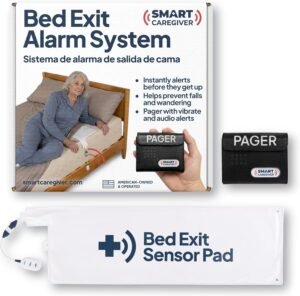
Smart Caregiver Bed Exit Alarm with…
From the brand Reduce Accidents Get early alerts the moment your loved one begins to move…
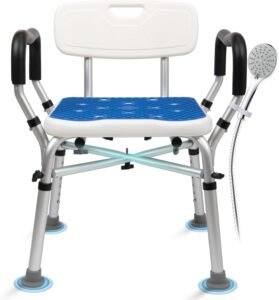
Shower Chair for Inside Shower 500l…
From the brand Modundry Strive to create a healthy, clean, and comfortable living space! Modundry is…
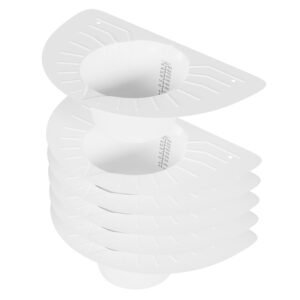
Urine Hats for Toilets, Specimen Co…
From the brand Specimen Collection Pan Urine Hats for Toilets Urine Collection Hat for Toilet: 6…