
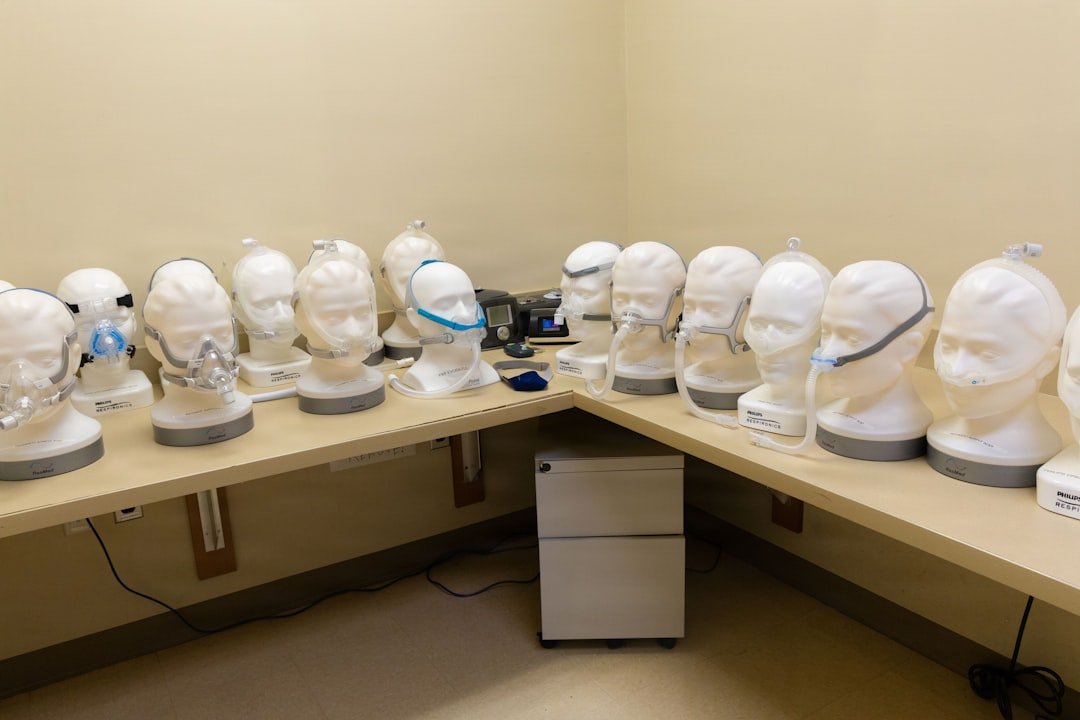
How to Keep CPAP Accessories Clean and Well Maintained
CPAP therapy brings restful nights for people with sleep apnea, but its effectiveness depends on clean, well-maintained accessories. Masks, tubing, humidifiers, and filters collect oils, dust, and biological debris; left unchecked they reduce performance and can irritate skin or airways.
Below are practical, step-by-step cleaning and maintenance practices you can apply daily, weekly, and monthly to keep your CPAP system safe and reliable. If you need replacement parts or supplies, start with the EveMedical catalog to find compatible items and accessories.
Why regular cleaning matters
Regular cleaning removes skin oils, saliva, mineral deposits from water, and airborne particulates. That reduces odor, helps prevent microbial growth, maintains seal integrity, and preserves the life of parts like mask cushions and tubing. Clean accessories also ensure the delivered air is as free from contaminants as possible, which supports comfort and adherence to therapy.
Daily, weekly, and monthly cleaning schedule
Keep a simple maintenance calendar: quick daily rinses, deeper weekly washes, and periodic part replacement. For example:
- Daily: Rinse mask cushion and water chamber (if used) and let air-dry.
- Weekly: Wash mask, headgear, tubing, and humidifier chamber with mild soap; rinse and fully dry.
- Monthly: Inspect and replace disposable filters; deep-clean or replace reusable filters as directed by the manufacturer; replace mask cushions or filters sooner if worn.
When refilling the humidifier, use a small measuring cup to avoid spills and overfilling—single-use measuring cups like ReliMedPro Disposable Medicine Cups are convenient for precise volumes of distilled water.
How to clean masks, cushions, and headgear
Mask cushions contact facial skin and accumulate oil and dead skin cells. Clean them daily by detaching the cushion from the frame, washing with warm water and a mild, fragrance-free detergent, then rinsing thoroughly. Avoid antibacterial soaps with strong fragrances or moisturizers that can leave residues.
Headgear and fabric components can usually be hand-washed and air-dried; check manufacturer instructions for machine washing. Inspect headgear for stretched elastic and replace when fit becomes inconsistent—an ill-fitting headgear compromises mask seal and therapy effectiveness.
Cleaning tubing and humidifiers
Tubing should be washed weekly. Fill a sink with warm water and a small amount of mild detergent, swish the tube through until clean, then thoroughly rinse by running clean water through it. Hang the tube over a shower rod or towel rack to drip-dry completely before reconnecting.
Humidifier chambers require extra attention: empty and rinse daily and do a weekly soap-and-water wash. If mineral buildup appears, use a 1:1 solution of white vinegar and water to soak for 15–30 minutes, then rinse thoroughly. To protect bedding in case of accidental humidifier leaks, consider a waterproof mattress or protective pad such as the Multipurpose 48″ x 40″ bed pad, which keeps mattresses dry and simplifies cleanup.
Storing, drying, and replacing components
Always let components dry completely before storage to prevent mold growth. Store masks, tubing, and filters in a clean, dry drawer or storage box. For small parts like mask clips, elbow pieces, or spare cushions, a sealed container prevents dust and damage; durable containers such as Medical Specimen Containers are handy for keeping parts organized and sanitary.
Replace disposable filters every 1–3 months or when visibly dirty. Reusable filters should be cleaned per manufacturer guidance and replaced when they show wear, discoloration, or reduced airflow. Keep a replacement schedule and set reminders so components are changed before they fail.
Cleaning related bedside and monitoring devices
Your CPAP setup often shares a nightstand with monitoring devices. These items also need care—pulse oximeters, thermometers, and home monitors get handled often and benefit from regular surface cleaning.
If you use a fingertip oximeter, wipe it down after each use with a soft cloth dampened with 70% isopropyl alcohol; avoid soaking the device. For reference on portable models and spare units, consider browsing Handheld Pulse Oximeters when shopping for backups or replacements.
Non-contact forehead thermometers should be kept free of debris on the sensor window; clean the lens with a dry soft cloth and disinfect the exterior surfaces as recommended. If you monitor temperature at home, see available options at the Non Contact Forehead Thermometers category for models and care instructions.
Digital thermometers used for spot checks or illness monitoring require wiping with an alcohol swab between uses and safe storage. For more information on models and compatible options, review Digital Medical Thermometers.
When to consult a professional and where to buy replacements
If you notice persistent odors, visible mold, unexplained leaks, reduced airflow, or consistent mask leaks despite cleaning and replacement of disposable parts, consult your equipment supplier or sleep clinician. For purchasing replacement components, filters, or a spare humidifier chamber, reputable medical suppliers carry a wide range of compatible items. You can compare home monitor and accessory options in the Home Vital Signs Monitor Systems section to find items that fit your bedside setup.
Checklist: Quick CPAP maintenance tasks
- Daily: Rinse mask cushion and empty humidifier water; air-dry.
- Weekly: Wash mask, headgear, tubing, and humidifier chamber with mild soap; rinse and dry.
- Monthly: Inspect and replace disposable filters; check tubing for discoloration or stiffness.
- Quarterly: Replace mask cushions and headgear as needed; replace tubing yearly or sooner if damaged.
- Always: Use distilled water in the humidifier and dry parts thoroughly before storage.
FAQ
- Q: How often should I replace my CPAP mask cushion?
A: Typically every 3–6 months, but replace sooner if you notice leaks, cracks, or loss of elasticity. - Q: Can I use household cleaners or vinegar daily?
A: Use mild, fragrance-free soap for routine cleaning. Vinegar can be used occasionally for descaling, but avoid daily use as it can degrade silicone over time. - Q: Is it safe to machine-wash headgear?
A: Check manufacturer guidance. Many headgears are hand-wash recommended; if machine-washed, use a gentle cycle inside a mesh bag and air-dry. - Q: What water should I use in the humidifier?
A: Use distilled water to reduce mineral deposits and extend humidifier life. - Q: How do I disinfect my tubing and mask after illness?
A: Perform a thorough wash with warm soapy water, follow with a 15–30 minute white vinegar soak for the humidifier chamber and rinse thoroughly; consider replacing disposable filters and consulting your provider for severe infections.
Conclusion
Consistent, simple maintenance keeps your CPAP accessories functioning well and protects your health. Adopt a daily rinse and weekly wash routine, use distilled water, dry parts fully, and replace consumables on schedule. For supplies, storage solutions, and replacement parts, check reputable suppliers and keep backups on hand to avoid interruptions in therapy.
Products Featured in This Article
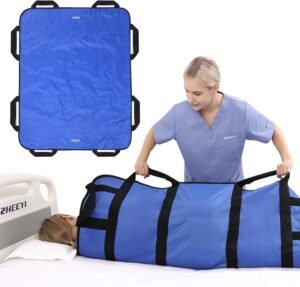
Multipurpose 48″ x 40″ …
Product description A wonderful assistive device for caregivers to take care of bedridden individuals.Get ZHEEYI transfer…
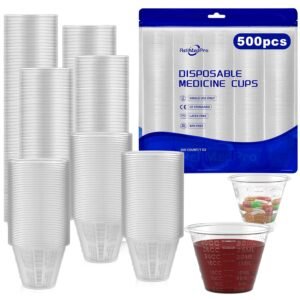
ReliMedPro Disposable Medicine Cups…
Product description Add to Cart Add to Cart Add to Cart Add to Cart Customer Reviews…