
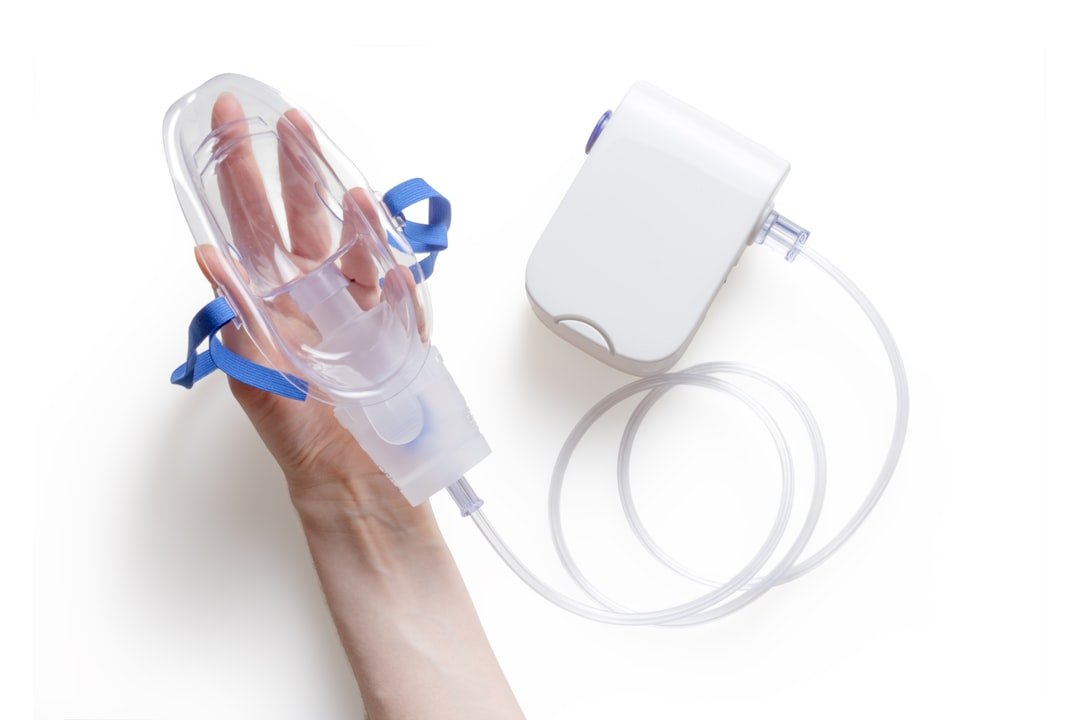
Oxygen tubing, masks, and cannulas are everyday tools that make a big difference in breathing support at home and in care settings. This guide breaks down the basics—types, fitting, maintenance, monitoring, and common troubleshooting—so you can use them safely and comfortably.
Whether you’re new to supplemental oxygen or helping someone who uses it, practical steps and reliable monitoring cut confusion and improve comfort. For more products and resources from our brand, see EveMedical.
What are the main types of oxygen interfaces?
There are three common interfaces: nasal cannulas, simple face masks, and non-rebreather masks. Nasal cannulas deliver low to moderate flows through two soft prongs placed in the nostrils and are the most commonly used for ambulatory patients. Simple masks cover the nose and mouth and are used when higher flow or more consistent delivery is needed. Non-rebreather masks are used for high-concentration delivery in short-term situations. Each type affects mobility, speech, and comfort differently—choose the interface that matches prescribed flow and daily needs.
How to choose cannula vs mask
Nasal cannulas are lightweight, allow talking and eating, and are suitable for most long-term low-flow needs. Masks give more consistent delivery and are used when the cannula isn’t adequate or when mouth-breathing predominates. Consider activity level, skin sensitivity, and whether the patient needs to eat and speak often. Your clinician will recommend the appropriate interface and flow settings.
Tubing lengths, materials, and connectors
Tubing typically comes in varying lengths—short for portable setups, long for home use. Longer tubing increases resistance slightly and may reduce effective flow; use the shortest length that permits comfortable movement. Most tubing is PVC or medical-grade polymer; inspect for kinks, discoloration, or cracks. Check connectors and humidifier ports to ensure tight seals. If you use an oxygen concentrator with a humidifier bottle, make sure the tubing fits firmly on the outlet to prevent leaks.
Fit, comfort, and positioning
Proper fit reduces pressure sores and improves effectiveness. Cannula prongs should point slightly downward into the nostrils without forcing them. Masks should sit snugly against the face without sharp pressure points. For patients who spend extended time seated or reclining, consider supportive furniture that eases work of breathing and reduces neck strain—for example, a comfortable recliner designed to assist sitting and standing can help maintain good posture and minimize mask slippage; see Power Lift Recliner Chairs.
Cleaning, infection control, and storage
Clean reusable masks, cannulas, and humidifier reservoirs per manufacturer guidance—usually daily for cannulas and weekly for masks and humidifier bottles. Use mild soap and warm water, rinse thoroughly, and air dry on a clean surface. Replace disposable tubing and cannulas on schedule to avoid biofilm buildup and odor. If you need to collect sputum or other specimens for testing, use appropriate collection containers and follow transport directions; suitable options are available in Medical Specimen Containers.
Monitoring oxygenation at home
Regular monitoring helps you know whether the interface and flow are working as expected. A fingertip pulse oximeter is the simplest check to measure oxygen saturation and pulse rate. Handheld monitors let you spot trends and decide when to contact a clinician. Consider adding a reliable device from the category for routine checks: Handheld Pulse Oximeters.
If you want a specific, ready-to-use option, a quality fingertip oximeter can be a compact backup for home monitoring—one commonly chosen model is the Zacurate 500 Series Fingertip Pulse Oximeter. These devices are simple to operate: clip on, wait a few seconds for a stable reading, and log or note results.
Integrating with home vital-signs systems
If the patient requires more comprehensive monitoring (multiple vitals, alerts, or central logging), consider a home vital-signs monitor system that combines pulse oximetry with blood pressure, temperature, and ECG features. These systems can provide trend data for clinicians and make remote care coordination smoother; browse options at Home Vital Signs Monitor Systems.
Accessories and related tools
Respiratory care often pairs with other at-home vital checks. Quick temperature checks can help identify fever that might indicate infection or exacerbation of respiratory symptoms. Non-contact forehead thermometers let you screen quickly without disturbing a resting patient: see Non Contact Forehead Thermometers. For more precise readings, a handheld digital thermometer is useful for follow-up checks: Digital Medical Thermometers.
Common troubleshooting tips
– No flow or low flow: check the oxygen source, tubing for kinks, and that connectors are seated. Verify the concentrator is powered and the flowmeter is set correctly.
– Leak or hissing: inspect tubing connections and mask edges. Replace sections of cracked tubing.
– Dry or irritated nasal passages: ask about a humidifier per provider instructions; saline nasal sprays can relieve dryness.
– Skin irritation: rotate mask position where feasible, pad pressure points, and keep skin clean and dry.
Simple checklist
- Confirm prescribed flow and interface before use.
- Inspect tubing and connectors daily for damage.
- Clean reusable interfaces as directed; replace disposables per schedule.
- Monitor oxygen saturation with a fingertip oximeter and log readings.
- Keep spare tubing and a backup interface at home.
FAQ
Q: How often should I change a nasal cannula?
A: Many clinicians recommend replacing disposable cannulas every 1–2 weeks, or sooner if they become discolored, stiff, or dirty.
Q: Can I use soap and water to clean masks and tubing?
A: Yes—mild soap and warm water are standard for cleaning masks and humidifier bottles. Rinse thoroughly and air dry. Do not submerge equipment that the manufacturer lists as single-use or non-submersible.
Q: What oxygen saturation (SpO2) should I aim for?
A: Target ranges are individualized by providers. Use a pulse oximeter to follow the range your clinician recommended and contact them if readings fall outside those limits.
Q: Is it safe to use extension tubing for mobility?
A: Short extensions for limited mobility are common, but very long tubing can reduce effective flow and create trip hazards. Use the shortest tubing that permits safe movement and secure tubing to avoid falls.
Q: My mask fogs or leaks—what should I do?
A: Check fit and adjust straps; replace a warped or cracked mask. For persistent leaks, try a different interface or consult your provider for sizing and alternatives.
Conclusion
Understanding oxygen tubing, masks, and cannulas reduces worry and improves day-to-day comfort. Keep equipment clean, check tubing regularly, monitor oxygen saturation, and keep spares on hand. For monitoring and supportive home equipment that pairs well with oxygen care, consider handheld pulse oximeters, home vital-sign systems, and easy-to-use thermometers to track changes promptly.
Products Featured in This Article
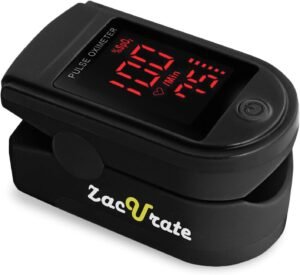
Zacurate 500 Series Fingertip Pulse…
The Zacurate Pro Series 500DL fingertip pulse oximeter is manufactured according to the CE and FDA…
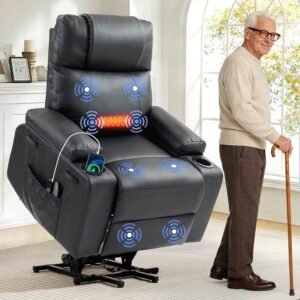
Power Lift Recliner Electric Chair …
From the brand Brage Living is a U.S.-based furniture brand specializing in premium bar stools and…