
Understanding Pulse Oximeter Readings and Proper Use
Pulse oximeters are compact tools for quickly checking blood oxygen saturation (SpO2) and pulse rate. Used correctly, they help you track respiratory status at home or in clinical settings and decide when to seek professional care.
At EveMedical we focus on reliable home health equipment and clear guidance to help you get valid measurements every time. Learn how pulse oximeters work, what readings mean, and simple steps to reduce errors so your readings are useful and actionable. Explore our range at EveMedical.
What a pulse oximeter measures
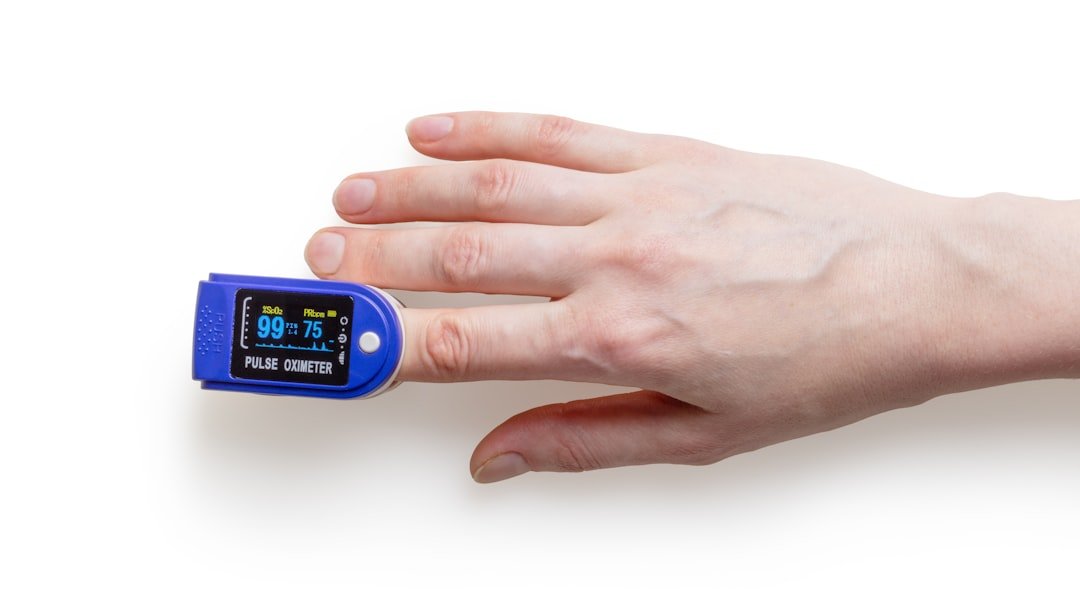
A pulse oximeter estimates arterial oxygen saturation (SpO2) and displays pulse rate. It uses light absorption through a perfused tissue bed (usually a fingertip) to calculate the percentage of hemoglobin carrying oxygen. Handheld and fingertip models are the most common for home use — consider a dedicated category for easy selection: Handheld Pulse Oximeters.
Interpreting SpO2 and pulse rate
Normal SpO2 for most healthy adults is typically 95–100%. Readings below this range can indicate reduced oxygenation and should prompt assessment of symptoms and environment. Pulse rate gives context: a low SpO2 with a high pulse may indicate respiratory strain. For consistent fingertip performance, many users choose reliable models such as the Zacurate 500 Series Fingertip Pulse Oximeter, which includes features like a silicone cover and lanyard for home and travel.
Preparing for a reliable measurement
Before placing the oximeter, make sure your hands are warm and relaxed. Remove nail polish, artificial nails, and anything that blocks light. Sit still for at least 30 seconds and avoid talking, shivering, or rapid movements during measurement. If you use a multi-parameter device or monitor other vitals at home, consider an integrated solution to keep readings consistent: Home Vital Signs Monitor Systems.
Proper placement and technique
Use the correct finger (usually the index or middle finger) and insert it fully into the clip-style oximeter. Keep the device level with the heart if possible. Rest your hand comfortably, palm down, on a table or in your lap to prevent movement artifact. For people monitoring multiple signs, remember temperature can change oxygen needs — digital thermometers are a useful companion when tracking fever: Digital Medical Thermometers.
Common factors that produce inaccurate readings
Several issues can cause false low or unreliable SpO2 readings: poor circulation (cold extremities), motion, ambient light interference, dark nail polish, artificial nails, skin pigmentation effects in some devices, low perfusion states, or incorrect device fit. If your clinical picture includes altered circulation or blood pressure concerns, track those parameters too — proper cuff sizing matters for accurate blood pressure checks: Blood Pressure Monitor Cuffs.
When to check again and how often
For chronic conditions or post-illness monitoring, establish a routine: check at rest, during activity if advised, and when symptoms change (shortness of breath, dizziness). Repeat any unexpected or borderline low reading after 1–2 minutes with hand warming and reduced motion. If you use blood pressure cuffs as part of monitoring, ensure the cuff is appropriate for the patient’s arm size to avoid misleading data; a commonly used larger cuff option is available here: Large Blood Pressure Cuff, Adult.
Maintenance, cleaning, and battery care
Keep the sensor and hinge clean, follow manufacturer cleaning instructions, and avoid immersing the device in liquid. Replace batteries promptly; low battery can distort readings. Store in a dry, room-temperature place. If you monitor temperature alongside oxygenation, a no-touch forehead thermometer can be a safe, contact-free companion for fever checks: No-Touch Thermometer for Adults and Kids.
Limitations and when to seek help
Pulse oximeters are screening and monitoring tools—not diagnostic devices. They do not replace clinical evaluation. Seek immediate medical attention if you have persistently low SpO2 readings (e.g., under your provider’s advised threshold), severe shortness of breath, chest pain, confusion, or bluish lips/face. Use the oximeter reading as one piece of information alongside symptoms and professional input.
Checklist: Quick steps for accurate pulse oximeter readings
- Warm and relax your hands; remove polish or artificial nails.
- Sit still and rest your arm at heart level before measuring.
- Insert finger fully and avoid movement during the reading.
- Repeat measurements if values are unexpected; average 2–3 readings.
- Keep batteries fresh and clean the sensor per instructions.
- Monitor other vitals as recommended (blood pressure, temperature).
FAQ
-
Q: What SpO2 level is considered low?
A: Thresholds vary by clinical context; many providers consider consistent readings below 90–92% concerning. Always follow guidance from your healthcare professional.
-
Q: Can cold fingers give false low readings?
A: Yes—poor perfusion from cold or vasoconstriction can cause falsely low readings. Warm the hand and try again.
-
Q: Do fingernail polish or acrylic nails affect results?
A: Dark polish and artificial nails can block light and skew results. Remove polish or use an alternate finger.
-
Q: How do I know my device is accurate?
A: Compare device readings with spot checks done in a clinic when possible and follow manufacturer calibration/maintenance steps. Choose reputable models from trusted sources.
-
Q: Should I monitor temperature alongside SpO2?
A: Yes—fever and infection can impact oxygen needs. A contact-free tool makes quick temperature checks easy; consider a no-touch forehead thermometer for households and travel.
Conclusion — practical takeaway
Pulse oximeters are valuable when used correctly: warm the finger, limit movement, remove barriers like nail polish, and repeat unexpected readings. Track SpO2 together with symptoms and other vitals to make informed decisions. For home monitoring, choose reliable devices and complementary tools from a trusted source to maintain consistent, actionable measurements.
Products Featured in This Article
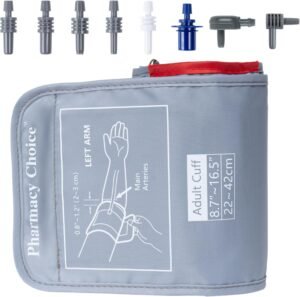
Large Blood Pressure Cuff, Adult Cu…
Product description Add to Cart Add to Cart Add to Cart Add to Cart Add to…
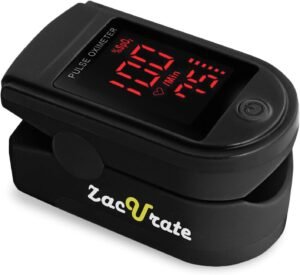
Zacurate 500 Series Fingertip Pulse…
The Zacurate Pro Series 500DL fingertip pulse oximeter is manufactured according to the CE and FDA…
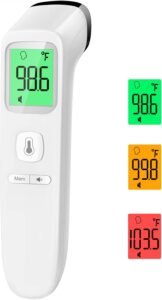
No-Touch Thermometer for Adults and…
Product description GoodBaby Non-contact Thermometer – Ideal Choice for Adults and Kids Taking temperature measurements has…