
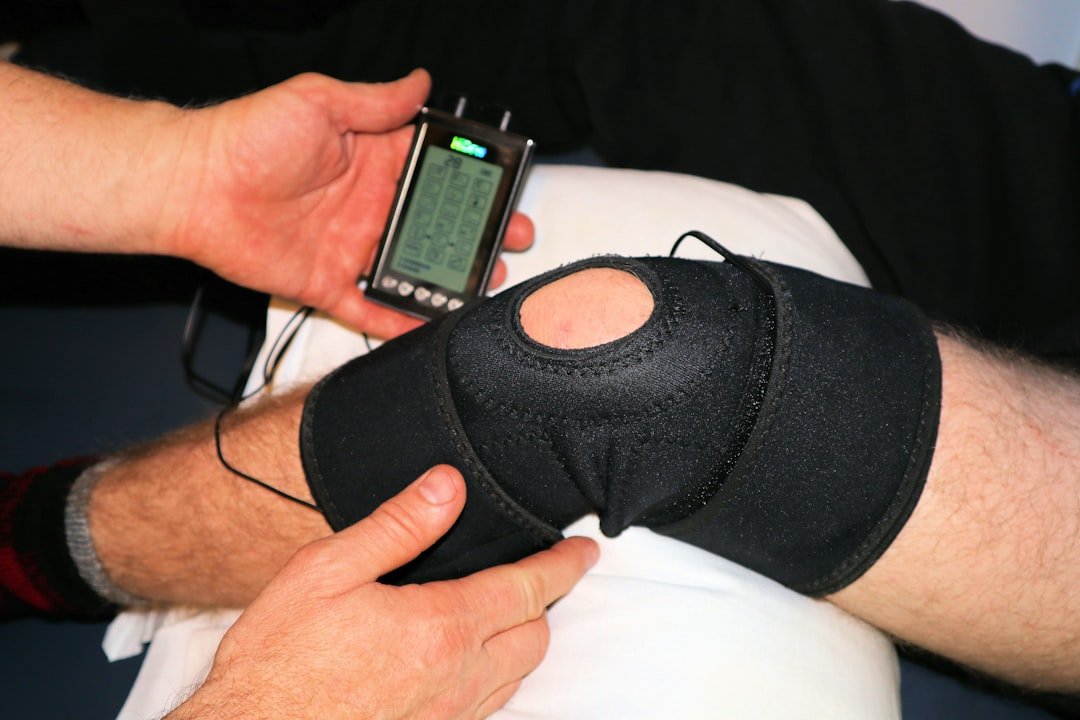
How to Use a TENS Unit Safely for Pain Management
Transcutaneous Electrical Nerve Stimulation (TENS) units are a common, non-invasive tool people use to manage acute and chronic pain. When used correctly they can offer symptom relief, reduce reliance on medications, and support rehabilitation routines.
Before you start, choose a reputable device and follow straightforward safety steps. If you’re shopping or researching, see product options in the TENS Units category.
For reliable medical supplies and accessories that support safe home care, visit EveMedical to explore related products and guidance.
How a TENS Unit Works — quick primer
A TENS unit delivers low-voltage electrical pulses through adhesive electrodes placed on the skin. These pulses can modify how pain signals travel to the brain and may stimulate local endorphin release. Sessions are typically short (10–60 minutes) and settings vary by device and symptom.
Choosing the right TENS unit and accessories
Not all units are identical: look for adjustable intensity, multiple modes/programs, a clear display, and good electrode quality. If you want an example of a widely used, accessory-ready device, consider the TENS 7000 Digital TENS Unit, which includes leads, electrodes, and a simple control layout suitable for beginners.
Contraindications and when NOT to use TENS
Some situations require extra caution or avoidance of TENS. Do not place electrodes across the chest or directly over the heart, avoid use if you have an implanted electrical device (e.g., pacemaker or defibrillator), and do not use over broken or infected skin. Pregnant people should avoid abdominal or pelvic placements unless cleared by a clinician.
If you have cardiovascular conditions or take medications that affect blood pressure, consider tracking your vital signs around therapy. A home blood pressure device such as an Automatic Upper Arm Blood Pressure Monitor can help you detect unexpected changes and inform discussions with your clinician.
Preparing skin and placing electrodes correctly
Clean and dry the skin where you plan to place electrodes. Trim excess hair if needed and avoid lotions or oils that reduce adhesion. Place electrodes at least 1 inch apart and over or around the painful area as instructed by your clinician or the device manual—along the nerve pathway, not directly on the spine or head.
Common safe placements include: beside a painful joint or muscle, above and below a painful region, or following guidance from a physical therapist. Never place electrodes over the carotid sinus (neck), eyes, mouth, or open wounds.
Setting intensity, modes, and session length
Start at the lowest intensity and increase slowly until you feel a strong but comfortable tingling. You should never feel pain or muscle spasm from the stimulation. Use short sessions initially (10–15 minutes) to assess tolerance, then increase duration gradually based on comfort and symptom response.
Use pulse width and frequency settings per the device manual or clinician recommendations. Keep a log of settings that help you, noting program, intensity level, electrode placement, and symptom changes.
Monitoring safety at home
While TENS is low risk for many users, monitor for skin irritation, increased pain, dizziness, or unusual symptoms during or after sessions. For people with chronic health issues, periodic home monitoring of vital signs can be helpful. Devices such as Handheld Pulse Oximeters or broader Home Vital Signs Monitor Systems allow you to track oxygenation, heart rate, and other vitals so you can share objective data with your healthcare provider if needed.
Combining TENS with mobility aids and comfort strategies
TENS can be part of a broader pain-management plan that includes physical therapy, assistive devices, and ergonomic adjustments. If pain limits walking or weight-bearing, pair TENS with appropriate mobility aids—e.g., Forearm Crutches—to reduce strain while you recover.
For people who must sit or stand for longer periods, consider seating that supports safe transfers and posture; a supportive recliner like those in the Power Lift Recliner Chairs category can reduce muscle tension and make TENS sessions more comfortable and effective.
Electrode care, hygiene, and storage
Keep electrodes clean and replace them when adhesion or conductivity declines. Store reusable electrodes on their backing and in a cool, dry place. Clean the skin with mild soap before use and apply a small amount of saline gel or electrode gel if recommended by the manufacturer. Dispose of single-use components per instructions.
Checklist: Safe TENS Use
- Confirm TENS is appropriate with your clinician for your condition.
- Inspect skin for cuts, rashes, or infection before each session.
- Start at the lowest intensity; increase to comfortable tingling only.
- Avoid chest, head, carotid, and broken-skin electrode placements.
- Keep sessions within recommended duration and log settings/results.
- Use quality electrodes and replace them when worn.
- Stop use and consult your clinician if unusual symptoms occur.
FAQ
-
Is TENS safe for everyone?
TENS is safe for many people but not recommended for those with implanted electrical devices, certain cardiac conditions, or for placement over the chest or head. Ask your healthcare provider if you’re unsure.
-
How often can I use a TENS unit?
Many people use TENS once or twice daily for 20–60 minutes, but follow device instructions and your clinician’s advice. Start with short trials to assess benefit and tolerance.
-
Will TENS cure chronic pain?
TENS can reduce symptoms for many users and support rehabilitation, but it’s usually part of a broader plan including exercise and other therapies. It’s not a guaranteed cure.
-
How do I know electrode placement is correct?
Correct placement produces comfortable tingling over the painful area with no sharp or radiating pain. If unsure, consult a physical therapist for personalized placement guidance.
-
Can I use TENS while sleeping?
Avoid using TENS while asleep to prevent prolonged intense stimulation or electrode displacement. Use sessions when you can monitor how you feel.
Conclusion and practical takeaway
TENS can be a practical, low-risk part of pain management when selected and used correctly. Choose a reliable device, follow safety precautions, monitor how you feel, and combine TENS with supportive measures like mobility aids and good posture. If you need device options or accessories, start at the verified product and category pages noted above and consult a clinician for personalized guidance.
Products Featured in This Article

TENS 7000 Digital TENS Unit with Ac…
From the brand OUR MISSION: TO PROVIDE NATURAL AND EFFECTIVE PAIN MANAGEMENT THROUGH TENS THERAPY At…