

Introduction
Heating pads are a simple, effective tool for everyday comfort—from easing tight muscles after a workout to soothing menstrual cramps or a stiff lower back. Used correctly, they deliver targeted warmth that can relax tissue, improve blood flow, and make daily activities more manageable.
For reliable products and complementary solutions, browse trusted suppliers like EveMedical for options to fit your home-care routine.
Why heat works: the basics of heat therapy
Heat therapy increases circulation and helps tissue relax. That improved blood flow can accelerate nutrient delivery and remove metabolic waste in sore areas, making heat an ideal first-line comfort tool for subacute muscle tightness and chronic stiffness. Many people combine heat with other non-pharmacologic options—such as topical treatments or electrotherapy devices—to manage discomfort more effectively; for those exploring alternatives, TENS Units are commonly used alongside heat for localized pain relief.
When to reach for a heating pad
Use a heating pad when you have muscle stiffness, chronic joint pain (not inflamed joints), tension headaches (neck/shoulder heat), and menstrual cramps. Heat is also useful before activity to loosen muscles, and after the acute phase of an injury (usually 48–72 hours) when swelling has gone down. If mobility or self-care is limited, pairing heat therapy with supportive seating can increase comfort; many people find using a heating pad while settled in a supportive recliner helpful—consider options like the Power Lift Recliner Chairs for easier positioning.
Types of heating pads and how to choose one
Common types include electric heating pads (adjustable temperature, auto shut-off on many models), microwavable gel packs (no cords, retain moist heat briefly), and chemical heat wraps (single-use, convenient for travel). Choose based on use: electric pads for at-home repeated use, gel packs for portability, and wraps for discreet wear under clothing. When selecting a device, consider tools to monitor overall health—especially if you have a fever or concern about infection—such as Digital Medical Thermometers to distinguish localized warmth from systemic fever.
Safety guidelines: temperature, timing, and skin checks
Follow these safety rules: keep temperature moderate (most recommendations: low–medium settings), limit sessions to 15–20 minutes per area, and never sleep with an active electric heating pad unless it has a verified auto shut-off. Check skin every 5–10 minutes; stop if you notice redness that doesn’t fade, blistering, numbness, or unusual pain. If you have cardiovascular conditions or take medications that affect circulation, monitor your vitals—heat can lower blood pressure—so having an Automatic Upper Arm Blood Pressure Monitor at home is useful for tracking changes when you start a new heat routine.
Special considerations: diabetes, neuropathy, and impaired sensation
People with diabetes or sensory neuropathy are at higher risk of burns because they may not feel excessive heat. If you have neuropathy, reduce temperature and duration, use an insulating layer between skin and pad, and check skin frequently. Maintain glycemic control and monitor blood sugar as advised—tools such as Blood Glucose Meters help track levels that can affect healing and nerve health. When in doubt, consult your healthcare provider before regular use.
Using heat during rehabilitation and mobility recovery
Heat can ease pre-activity stiffness and improve range of motion during rehab exercises. If you’re using mobility aids or rebuilding strength after injury, employ heat before gentle stretching sessions to reduce resistance in muscles. Pair heat therapy with appropriate support devices—such as Forearm Crutches or other mobility aids—so you can move safely and maintain proper posture while applying warm compresses.
Practical steps for effective heat application
1) Prepare: place a thin cloth between the pad and skin to prevent hotspots. 2) Set a timer: limit sessions to 15–20 minutes and allow skin to return to baseline before repeating. 3) Monitor: observe color and sensation; use simple devices to check circulation or oxygenation if you have cardiopulmonary concerns—portable Handheld Pulse Oximeters can provide quick reassurance that peripheral oxygenation remains adequate during prolonged therapy.
Choosing adjuncts and accessories
Look for pads with adjustable heat settings and an auto shut-off timer for safety. Moist-heat covers or wrap-style pads provide more even warmth for joints. Consider washable covers for hygiene, and avoid pads with exposed elements or damaged wiring. If using heat during sleep, only do so with products explicitly designed and tested for overnight use.
Checklist: safe and effective heating pad use
- Use low–medium heat; avoid high constant temperatures.
- Limit sessions to 15–20 minutes; reassess before repeating.
- Place a thin barrier between pad and skin to prevent burns.
- Do not apply heat to open wounds, infected areas, or swollen/inflamed joints.
- Monitor skin for redness, blisters, numbness, or increased pain.
- People with diabetes, neuropathy, cardiovascular disease, or pregnancy should consult a clinician before regular use.
- Choose pads with auto shut-off and replace units if cords or covers are damaged.
FAQ
Q: How long should I leave a heating pad on?
A: For most situations, 15–20 minutes per session is effective and safe. Longer use increases burn risk unless the device is specifically rated for extended or overnight use.
Q: Can I use a heating pad for acute injuries?
A: No—use cold (ice) for the first 48–72 hours after an acute injury to reduce swelling. Switch to heat only once swelling has decreased and you need to ease stiffness.
Q: Is moist heat better than dry heat?
A: Moist heat can penetrate tissue more quickly and feel more soothing to some people; dry heat is more convenient and cleaner. Choose based on comfort and device availability.
Q: Can heating pads be used during sleep?
A: Generally avoid sleeping with an active electric heating pad unless it is explicitly designed and certified for overnight use and includes a reliable auto shut-off.
Q: What should people with diabetes know about heating pads?
A: People with diabetes—especially those with neuropathy—should use lower temperatures, shorter sessions, and check skin frequently. Maintain glucose monitoring and discuss regular use with a healthcare provider.
Conclusion
Heating pads are a low-cost, practical tool to improve everyday comfort when used correctly: choose the right type, follow timing and temperature guidelines, monitor skin and vital signs if you have underlying conditions, and pair heat with good posture and supportive furniture as needed. Small adjustments—like using auto shut-off models, a thin protective layer, and periodic checks—make heat therapy safe and effective for many daily needs.
Products Featured in This Article
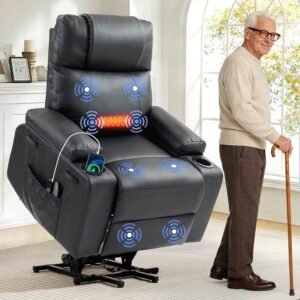
Power Lift Recliner Electric Chair …
From the brand Brage Living is a U.S.-based furniture brand specializing in premium bar stools and…