
Introduction
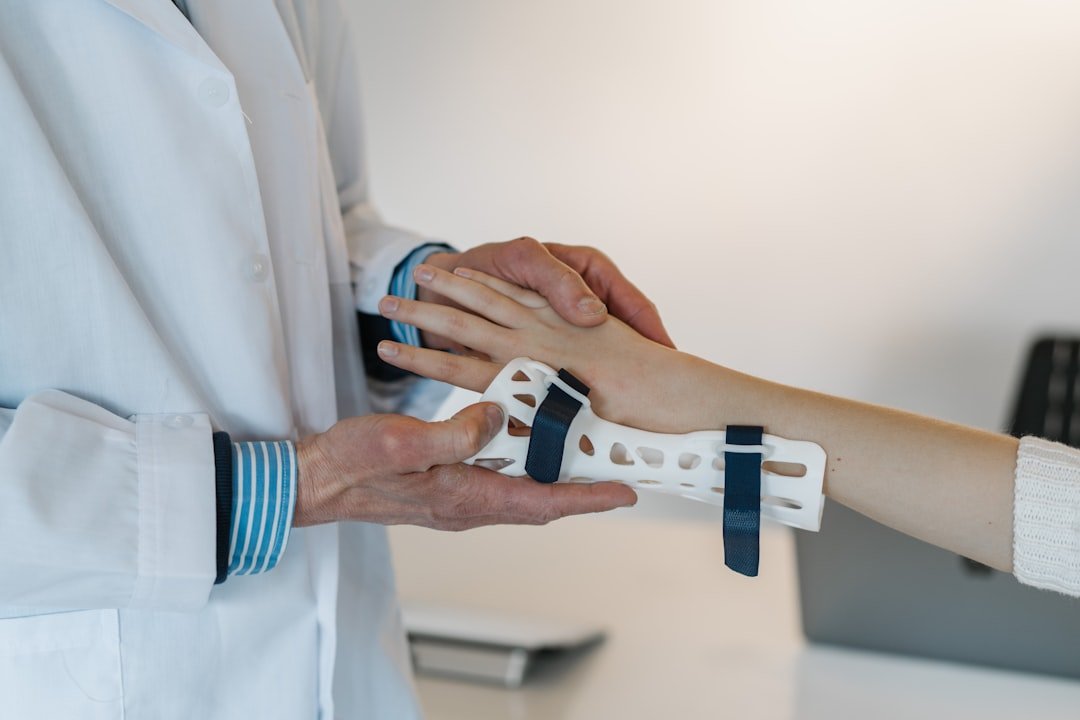
Medical braces and orthopedic supports are tools many people use to reduce pain, protect injured tissue, and speed recovery. For beginners, the choices and terminology can feel overwhelming; this guide breaks down what you need to know to pick, fit, and care for supports that work for everyday life.
If you’re shopping or researching, start with trusted sources and product ranges designed for clinical and home use—brands and categories tailored to patient needs help simplify decisions. Browse our offerings at EveMedical to see common options and accessories as you read.
What are braces and orthopedic supports?
Braces and supports are devices that stabilize joints, limit harmful motion, reduce swelling, and promote correct alignment. They range from soft sleeves and straps to rigid hinged braces and post-op immobilizers. The primary goals are protection during healing, symptom control, and safe return-to-activity.
Common types and when they’re used
Understanding the category helps match a device to the need:
- Knee braces: for ligament injuries, meniscus support, or osteoarthritis.
- Ankle braces: for sprains, instability, or sports prevention.
- Wrist and thumb supports: for tendonitis, sprains, and repetitive strain.
- Back and lumbar belts: for low-back strain or postural support.
- Shoulder immobilizers and slings: after dislocation or shoulder surgery.
Braces may be sold as preventive (e.g., sport sleeves), functional (support during activity), or post-operative (limiting range of motion). Your clinician will usually recommend which class is appropriate.
How to choose the right brace
Choosing means balancing support, comfort, and function. Key considerations:
- Purpose: protective, pain relief, immobilization, or performance?
- Fit and sizing: accurate circumference/length measurements matter more than “one size fits all.”
- Material: breathable fabrics for daily wear; firmer shells when motion control is needed.
- Adjustability: straps and hinges allow fine-tuning for swelling and activity.
- Ease of use: can you apply it independently, or will you need help?
If you need walking support as well as a brace, consider complementary mobility aids—different crutches suit different needs and activities. For forearm stability during ambulation see options like forearm crutches, and if you prefer underarm support explore underarm crutches.
Ambulation aids and complements
Braces often work together with mobility devices to protect healing tissue. Forearm crutches are typically recommended for long-term or more active users because they offer better weight distribution and maneuverability; consider spring-assisted forearm options for extra support during gait cycles, such as the forearm crutches spring assist product.
Underarm crutches provide quick stability and are common for short-term injuries; match the type to your endurance and arm strength. Proper training in weight bearing and balance reduces complications and improves recovery speed.
Accessories and comfort: small items that matter
Minor accessories can transform wearability and compliance. Examples: pad cushions for crutch pressure points, anti-slip tips, and sleeve liners. If crutches are part of your recovery, cushioned pads reduce skin and soft-tissue irritation—consider products like crutch padding to improve comfort during use.
Pain management and complementary therapies
Braces address mechanical causes of pain; adjunctive therapies help control symptoms while tissue heals. Simple strategies include cold/heat, activity modification, and targeted exercises. For persistent muscular or neuropathic pain, electrotherapy like TENS can be an adjunct under professional guidance—explore approved options in the TENS units category.
Setting up your home for recovery
At-home ergonomics and transfer aids reduce strain and risk when mobility is limited. A power lift recliner can help patients sit and stand with less effort and protect repaired tissues—see suitable models in the power lift recliner chairs category.
For caregivers and patients who need assistance turning or moving safely, low-friction transfer sheets reduce shear and make repositioning less taxing; consider options in the patient transfer sheets category.
Care, cleaning, and safe use
Maintenance prolongs function and hygiene:
- Follow manufacturer cleaning instructions—many fabric sleeves are machine washable; rigid shells need spot cleaning.
- Check straps, fasteners, and hinges daily for wear and proper adjustment.
- Replace worn padding, straps, or crutch tips to prevent new injuries.
- Limit continuous wear as advised—braces that immobilize can weaken muscles if overused.
Document fit changes—if swelling drops or pain shifts, re-evaluate sizing and strap tension to keep the brace effective and safe.
When to see a clinician
Seek professional evaluation if you experience increasing pain, numbness, significant color or temperature change in the limb, persistent swelling, or skin breakdown under a brace. A clinician can measure, recommend the correct level of immobilization, and teach safe donning and doffing.
Quick checklist
- Identify the goal: protect, immobilize, or support mobility.
- Get exact measurements before buying or accepting a brace.
- Match device rigidity to the clinical need (soft vs rigid).
- Include mobility aids and padding for comfort when needed.
- Follow cleaning and inspection guidance; replace worn parts.
- Consult a clinician for fit problems, worsening symptoms, or unusual signs.
FAQ
Q: How long should I wear a brace each day?
A: Wear time depends on the injury and clinician guidance. Short-term immobilizers may be worn full-time initially, while supportive sleeves are often used during activity. Follow your provider’s plan.
Q: Can I exercise while wearing a brace?
A: Yes, many braces are designed for activity. Choose a brace appropriate for the exercise and follow progressive loading and physical therapy advice to avoid re-injury.
Q: Are over-the-counter braces effective?
A: OTC braces can help mild instability and provide symptom relief. For significant instability, suspected fractures, or post-op care, a custom or clinician-prescribed device may be necessary.
Q: How do I prevent skin irritation under a brace?
A: Keep skin clean and dry, use breathable liners, adjust straps to avoid excessive pressure, and inspect skin daily. If irritation appears, reduce wear time and consult your clinician.
Q: Do braces weaken muscles?
A: Prolonged immobilization can reduce muscle strength. Braces are a tool to protect while you heal; incorporate prescribed exercises and graduated use to maintain muscle function.
Conclusion
Braces and orthopedic supports are valuable for protecting injuries, reducing pain, and enabling safe mobility. Start by clarifying the treatment goal, get accurate sizing, and pair supports with appropriate mobility aids and comfort accessories. Simple home adaptations—like a lift recliner or transfer sheet—can make recovery smoother and safer. If in doubt, consult a clinician for fit and use instructions to ensure the device supports recovery without creating new problems.
Products Featured in This Article
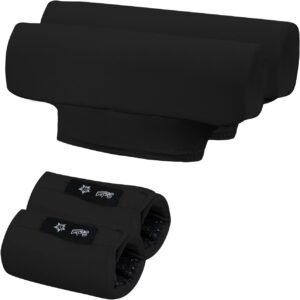
SPRING SEAON Crutches Padding Comfy…
Product description Crutches Accessories Add to Cart Add to Cart Add to Cart Add to Cart…
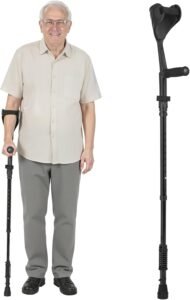
Forearm Crutches Spring Assist Crut…
Product description Package Dimensions : 21 x 7 x 5 inches; 3 pounds Date…