

A Caregiver’s Guide to Patient Lift Slings and Transfer Belts
Helping someone move safely between bed, chair, commode, or shower is one of the most common and highest-risk tasks in caregiving. The right sling or transfer belt, used correctly, reduces injury to both the patient and the caregiver and improves dignity and comfort during transfers.
Before you buy or use equipment, review trusted suppliers and product categories to understand available options. For an overview of products and accessories, visit EveMedical to see what’s offered for home and clinical settings.
Why correct lifting technique and the right equipment matter
Improper transfers cause falls, skin tears, and back injuries. Slings and transfer belts distribute weight, provide secure handholds, and help maintain posture. They are not interchangeable—each has design features suited to specific mobility patterns, body sizes, and medical conditions.
Types of slings and when to use them
Common sling designs include full-body, toileting, upright/seat, and hammocks. Full-body slings support patients who cannot sit or bear weight; toileting slings have openings for hygiene; upright or seated slings are for patients with some trunk control. If you use fabric sheets or repositioning aids, these can function as transfer aids for lateral moves—see patient transfer sheets for styles and materials.
Choosing the right sling: size, material, and features
Measure hip width, torso length, and weight capacity before ordering. Materials range from breathable mesh for hygiene to padded polyester for comfort. Look for reinforced stitching, labeled weight limits, and easy-to-locate attachment points for lift hooks or spreader bars. If you need a repositioning or transfer sheet instead of a formal sling, products like the multipurpose transfer sheet can be useful for lateral moves and turning in bed.
Transfer belts: simple, effective, and when to use them
Transfer belts (gait belts) are best for patients who can bear weight and follow cues but need steadying during standing and walking. A good belt fits snugly at the waist, has a wide gripping surface, and a secure buckle. Use belts for sit-to-stand transfers, pivot transfers, and supervised ambulation. Belts do not replace slings for dependent lifts and should never be used to lift a patient mechanically by the buckle alone.
Step-by-step safe transfer technique
Follow a consistent routine to reduce risk:
- Plan the transfer and remove obstacles.
- Explain steps to the patient and get consent.
- Lock bed/chair wheels and lower bed height to caregiver hip level.
- Position feet and hips for a stable base; use knees, not back, to lift.
- Use the sling or belt as intended—confirm attachment points and tension before moving.
- Transfer slowly and communicate the count during lifts.
If the patient requires a mechanical lift for any portion of the transfer, a powered lift such as the Invacare Reliant 450 provides full support and reduces caregiver strain for dependent transfers.
Equipment that complements slings and belts
Other products make transfers safer and more comfortable: proper seating that lifts or tilts, slip-resistant footwear, and alarms for high-risk patients. A power lift recliner can simplify stand-assist transfers by raising the seat height and tilting the patient forward to a safer standing position; consider a power lift recliner in the home when frequent transfers are needed.
For patients at risk of getting up unassisted, bed-exit alarms provide an early alert so caregivers can respond before a fall occurs. Products like bed exit alarm systems are especially useful overnight or when the caregiver cannot be in the same room.
Transfers involving bathing and toileting
Bath and shower transfers pose extra slip hazards. A stable shower chair with arms and height adjustment reduces risk and makes seated transfers easier. Keep a sturdy shower chair available, and use non-slip mats and a handheld shower head so the patient can remain seated while you assist.
Maintenance, cleaning, and inspection
Inspect slings and belts before each use for frayed seams, stretched webbing, ripped fabric, or faulty buckles. Follow manufacturer cleaning instructions—mesh slings may be machine washable while padded slings might need spot cleaning. Replace any item that shows structural damage or that no longer meets labeled weight limits.
Training, communication, and monitoring
Regular training reduces errors. Practice transfers with a colleague, use simulation if available, and review safe body mechanics. Monitor vital signs and overall tolerance during and after transfers—if the patient becomes pale, dizzy, or short of breath, stop and reassess. Home monitoring tools such as home vital signs monitor systems help track heart rate and blood pressure when transfers are causing concern.
Quick caregiver checklist
- Assess patient’s weight, cognition, and mobility before choosing sling or belt.
- Confirm product weight limits and attachment points.
- Inspect equipment for wear and cleanliness.
- Position environment: clear path, lock wheels, remove rugs.
- Use proper body mechanics: wide stance, bend knees, avoid twisting.
- Communicate steps to the patient; use a consistent transfer routine.
FAQ
- Q: How do I know whether to use a sling or a transfer belt?
A: Use a sling when the patient cannot bear weight or maintain posture. Use a transfer belt when the patient can stand or partially bear weight and needs stabilization during standing and walking. - Q: How often should slings and belts be replaced?
A: Replace when you see signs of wear (frays, broken buckles, stretched fabric) or if the product fails a pre-use inspection. Follow manufacturer guidance on service life. - Q: Can I reuse disposable transfer sheets?
A: Disposable sheets are intended for single use. For reusable options, choose products designed and labeled for laundering and multiple uses. - Q: Are mechanical lifts always safer?
A: Mechanical lifts provide safer support for fully dependent patients and reduce caregiver strain, but they require space, training, and the correct sling type. Choose based on patient needs and environment. - Q: What do I do if a patient refuses the sling or belt?
A: Respect patient autonomy. Explain benefits, offer choice of sling style for comfort, and involve healthcare professionals to reassess transfer plans and alternatives.
Conclusion
Safe transfers are a combination of the right equipment, correct sizing, routine inspection, and practiced technique. Build a plan that matches the patient’s functional ability: use slings for dependent lifts, belts for supervised standing transfers, and complementary equipment like transfer sheets, lift chairs, and alarms to reduce risk. When in doubt, consult a licensed therapist or supplier to match the product to the patient’s needs—small choices made early prevent injuries later.
Products Featured in This Article
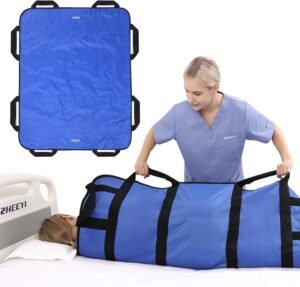
Multipurpose 48″ x 40″ …
Product description A wonderful assistive device for caregivers to take care of bedridden individuals.Get ZHEEYI transfer…
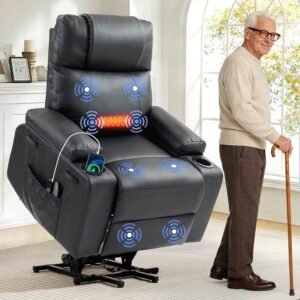
Power Lift Recliner Electric Chair …
From the brand Brage Living is a U.S.-based furniture brand specializing in premium bar stools and…
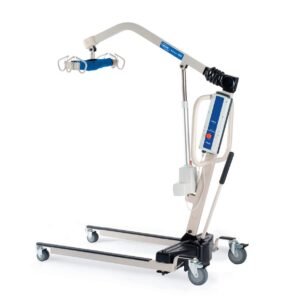
Invacare Reliant 450 Battery-Powere…
The Invacare Reliant 450 (RPL450-1) is the gold standard in patient transfer technology, combining heavy-duty construction…
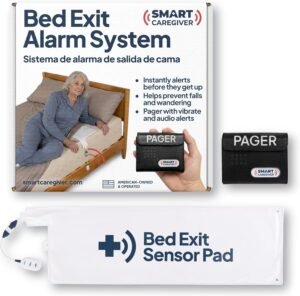
Smart Caregiver Bed Exit Alarm with…
From the brand Reduce Accidents Get early alerts the moment your loved one begins to move…
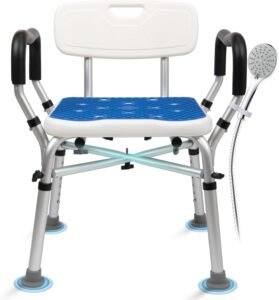
Shower Chair for Inside Shower 500l…
From the brand Modundry Strive to create a healthy, clean, and comfortable living space! Modundry is…