
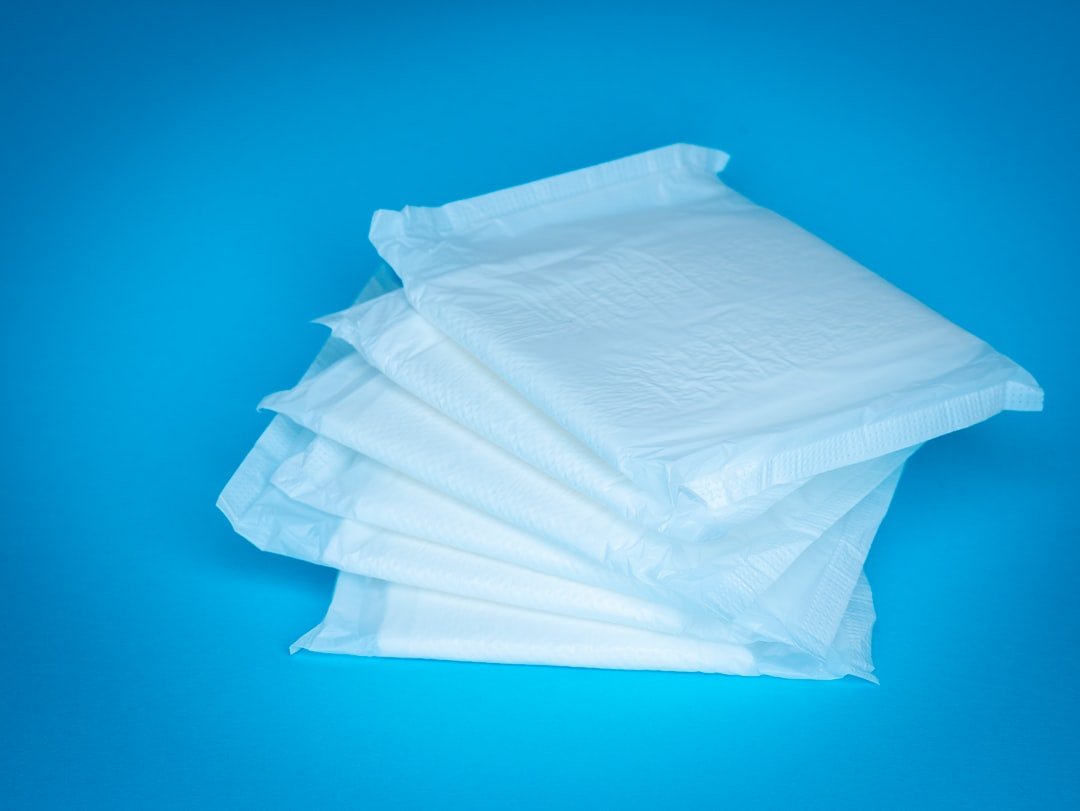
A Guide to Choosing and Using Disposable Bed Pads
Disposable bed pads are a simple, cost-effective solution for protecting mattresses, chairs, and linens from moisture and stains. Whether you’re caring for someone with incontinence, recovering after surgery, or managing wound drainage, the right pad prevents odors, reduces laundering, and keeps the care environment hygienic.
If you need to outfit a home care space quickly, start by browsing trusted suppliers like EveMedical to compare pad sizes, layers, and pack quantities before you buy.
Why disposable bed pads matter
Disposable pads protect bedding and upholstery while reducing cross-contamination risk. They are lighter to handle than reusable pads, eliminate laundering time, and come in a range of absorbency levels and barrier fabrics to fit different care needs. Choosing the right pad reduces skin irritation and keeps caregivers safer and more efficient.
Types and key features to look for
Disposable bed pads vary by absorbent core, top-sheet material, and waterproof backing. Common types include low-absorbency liner pads for small leaks, moderate-absorbency underpads for nightly use, and high-absorbency heavy-duty pads for moderate to heavy incontinence or post-op drainage. Look for features such as adhesive strips to secure the pad, quilted tops for comfort, and breathable backings to reduce heat buildup. If you want a practical example of a multiuse option, consider a product like the Multipurpose 48″ x 40″ positioning bed pad, which illustrates reinforced edges and multiple use-cases.
Choosing the right absorbency and backing
Match pad absorbency to the expected volume and frequency of use. Low to moderate absorbency suits light leaks and overnight protection; high absorbency is best for heavy incontinence or extended periods between checks. The backing matters—polyethylene or TPU backings offer reliable waterproofing but differ in breathability: TPU is more breathable and reduces skin maceration risk. Quilted or non-woven tops wick moisture away from skin, improving comfort.
Sizing, placement, and securing pads
Measure the bed or chair surface and choose a pad that covers high-risk zones (under the hips, buttocks, and thighs). For transfers and repositioning tasks, pair bed pads with appropriate transfer aids to protect bedding while moving a patient—products like Patient Transfer Sheets are designed for safe repositioning and can work alongside disposable pads to reduce friction and soiling during moves.
How to apply and replace disposable bed pads (step-by-step)
1) Prepare: Wash hands and wear gloves if there’s body fluid exposure. Remove soiled linens carefully to avoid contaminating other surfaces.
2) Position the pad: Place the pad with the absorbent side up and the waterproof backing down. If it has adhesive tabs, secure them to the mattress edges to prevent shifting.
3) Smooth wrinkles: Smooth the top layer to reduce pressure points and skin creasing.
4) Change schedule: Change pads immediately after heavy soiling or at scheduled intervals for comfort and skin health—every few hours for heavy leakage, or daily for light use.
Disposal, infection control, and safe handling
Seal heavily soiled pads in a disposable bag before placing in regular trash, unless local regulations require clinical waste handling. Wear gloves when removing used pads and perform hand hygiene after disposal. For rooms where specimens may be collected or processed, maintain separation between soiled pads and specimen materials; keep Medical Specimen Containers stored and handled in a dedicated area to avoid cross-contamination.
Integrating pads into a broader care plan
Disposable pads are one element in a patient-centered care plan. Combine pads with supportive furniture and monitoring tools to reduce fall risk and improve comfort. Power-assist furniture like Power Lift Recliner Chairs can ease transfers and minimize bedding disruption. Use bed-exit monitoring when nighttime wandering or unsupervised movement is a concern—explore Bed Exit Alarm Systems as part of a safety strategy, and consider specific devices such as the Smart Caregiver Bed Exit Alarm to get timely alerts when a pad indicates movement.
Supplies, convenience items, and bedside organization
Keep a small supply kit within reach: spare pads, gloves, wipes, and a trash liner. For bedside medication or hydration needs, disposable items like Disposable medicine cups save time and avoid washing tasks. Organize supplies on a cart or dedicated shelf so caregivers can respond quickly to changes in condition without rummaging through cabinets.
Cost and environmental considerations
Disposable pads reduce laundry costs and workload but produce more waste than reusable options. To balance costs and sustainability, buy bulk packs for high-use settings and choose products with efficient absorbency (so you need fewer changes). If environmental impact is a priority, look for pads with biodegradable components or evaluate high-quality reusable pads that tolerate frequent laundering; factor in water, detergent, and energy costs when comparing total expense.
Checklist: Choosing and using disposable bed pads
- Measure mattress or seating area before buying
- Match absorbency to expected leakage volume
- Choose breathable backing when skin integrity is a concern
- Keep adhesive or non-slip options for active patients
- Have spare pads and gloves within reach
- Dispose of heavily soiled pads in sealed bags
- Integrate with transfer aids and bed-exit alarms as needed
FAQ
Q: How often should I change a disposable bed pad?
A: Change immediately after heavy soiling. For light to moderate needs, change at least once daily or per care plan to maintain skin health and comfort.
Q: Can disposable pads prevent pressure injuries?
A: Pads protect bedding from moisture, which helps reduce maceration, but pads alone don’t prevent pressure injuries—regular repositioning, pressure-relieving supports, and skin checks are essential.
Q: Are all waterproof backings the same?
A: No. Polyethylene backings are fully waterproof but less breathable; TPU backings offer waterproofing with better breathability and may be preferable for prolonged contact.
Q: Can I use disposable pads on chairs and wheelchairs?
A: Yes. Choose an appropriately sized pad with secure edges to prevent slipping and check frequently for bunching that could cause pressure points.
Q: How do I manage odors from used pads?
A: Seal soiled pads in disposable bags, remove promptly, and maintain room ventilation. In high-use settings, increase change frequency and consider odor-absorbing rubbish liners.
Conclusion
Disposable bed pads are practical tools that protect patients, caregivers, and bedding when chosen and used correctly. Start by matching size and absorbency to the situation, secure pads properly, and combine them with other care products—like transfer sheets and bed-exit alarms—to create a safer, more comfortable care environment. A small planning step—keeping the right supplies organized and accessible—makes daily care more efficient and dignified.
Practical takeaway: measure the surface, choose absorbency for expected needs, and keep spare pads and disposal supplies at the bedside to streamline care and protect skin and linens.
Products Featured in This Article
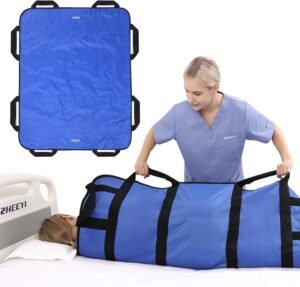
Multipurpose 48″ x 40″ …
Product description A wonderful assistive device for caregivers to take care of bedridden individuals.Get ZHEEYI transfer…
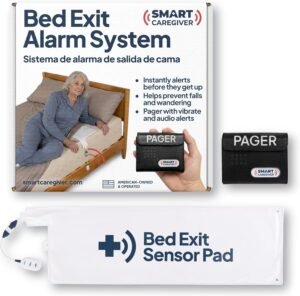
Smart Caregiver Bed Exit Alarm with…
From the brand Reduce Accidents Get early alerts the moment your loved one begins to move…
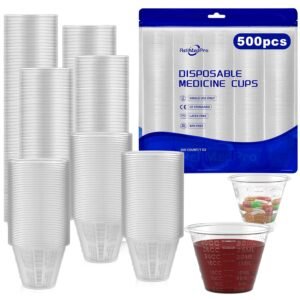
ReliMedPro Disposable Medicine Cups…
Product description Add to Cart Add to Cart Add to Cart Add to Cart Customer Reviews…