
Introduction
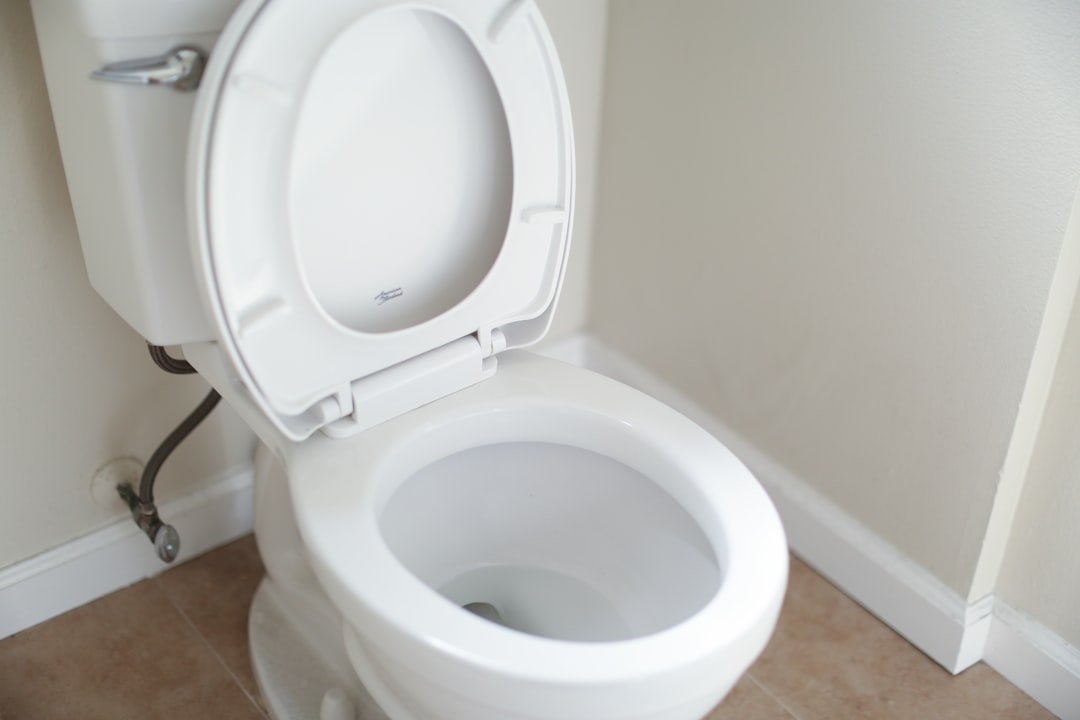
Raised toilet seats and safety frames are simple, cost-effective devices that improve comfort and reduce fall risk in the bathroom. For many older adults, post-operative patients, and people with limited mobility, these aids can make daily toileting safer and more dignified.
This guide explains types, selection criteria, installation tips, and safe use practices so you can choose and use these products confidently. For a broader view of bathroom and mobility solutions, see EveMedical.
Why raised toilet seats and safety frames matter
Bathrooms are high-risk areas for slips and falls. Raising the seat height reduces the amount of squat and strain needed to sit and stand, while safety frames or grab bars provide stable handholds during transfers. When combined with other mobility and transfer equipment, these devices significantly lower injury risk and ease caregiver tasks.
If transfers are frequently required, pairing a raised seat with reliable transfer aids such as patient transfer sheets can streamline safe movement between surfaces.
Types of raised toilet seats and how they differ
Common options include:
- Standard raised seats: snap or clamp onto existing toilets and increase height by 2–6 inches.
- Hinged seats: allow easy access for cleaning and personal hygiene without full removal.
- Commode-style seats: freestanding units or commodes placed over the toilet for bed-to-toilet transfer flexibility.
- Bariatric seats: wider, reinforced designs for higher weight capacities.
When bathroom balance is also a concern, consider complementary supports such as a sturdy shower chair—like the Shower Chair for Inside Shower 500lbs—to create a safer overall bathing and toileting environment.
Choosing the right height, fit, and material
Three selection factors matter most: seat height, attachment method, and material. Measure from floor to the user’s knee to estimate an appropriate seat height that allows feet to rest flat with hips slightly above knees.
Attachment options include clamps that secure to the toilet bowl and freestanding units. Consider plastic or molded foam seats for ease of cleaning and comfort. If a user also relies on mobility devices for ambulation, check compatibility with other aids such as forearm crutches to ensure transfers can be made safely.
Safety frames, grab rails, and positioning
Safety frames come in U-shaped or two-legged designs that fit around the toilet, providing handholds for sitting and standing. Wall-mounted grab bars are often the most secure option when installed into studs, but frames are portable and require no structural changes.
For fall-prevention systems that monitor movement and can alert caregivers, consider integrating supports with room-level aids such as bed exit alarm systems for users at high risk of unsupervised bathroom attempts.
Installation: practical tips and common pitfalls
Install raised seats and frames on a clean, dry bowl. Follow the manufacturer’s torque and clamp instructions. Key checks before first use:
- Confirm clamps are tight and do not shift under pressure.
- Test the frame’s feet for non-slip tips and replace worn caps.
- For hinged seats, verify hinges lock securely during use.
Avoid models that wobble on older or warped toilet bowls; in those cases, a freestanding commode or a reinforced seat may be safer. If transfers involve heavy lifting, coordinate with equipment such as power lift recliner chairs or professional transfer solutions rather than relying solely on a toilet frame.
Safe transfer techniques for users and caregivers
Safe transfers reduce strain and risk. Key steps:
- Position the wheelchair or chair close and lock brakes before transferring.
- Use a pivot or transfer board if lateral transfer is needed; keep the user’s center of gravity over stable supports.
- Caregivers should use proper body mechanics—bend at the knees, keep load close, and avoid twisting.
For situations requiring wheeled assistance, ensure compatibility with devices such as transport wheelchairs, which can simplify moving a user into position before transfer.
Maintenance and hygiene
Routine maintenance preserves safety and longevity. Wipe down seats and frames with disinfectant after use, inspect clamps, hinges, and non-slip tips weekly, and tighten hardware as needed. Replace any cracked plastic or frayed straps immediately.
Consider a schedule for deep cleaning and inspect for rust on metal frames. Good hygiene practices prevent odor and bacterial buildup and ensure safe, pleasant use for the person relying on the device.
When to upgrade to powered or professional solutions
If a user is unable to bear weight safely or transfers require multiple caregivers, look at powered solutions or professional lifting equipment. Electric lifts and hoists reduce manual handling risks and can be integrated into toileting routines when necessary.
Explore options such as electric patient lifts to evaluate whether a mechanical transfer system is more appropriate than manual transfers for long-term care needs.
Quick checklist: choosing and using a raised toilet seat and frame
- Measure user’s knee height and mobility level before selecting a seat.
- Choose a seat with the right attachment: clamp, hinge, or freestanding commode.
- Confirm frame or grab rails support the user’s weight capacity and install on stable surfaces.
- Practice transfers with a caregiver; use transfer aids for heavy or unsteady users.
- Inspect hardware, non-slip tips, and cleanliness weekly.
- Upgrade to powered lifts if manual transfer is unsafe or causes caregiver strain.
FAQ
-
Q: Are raised toilet seats appropriate for everyone?
A: They are helpful for many people with limited knee flexion or lower-body weakness, but users with severe balance issues or no weight-bearing ability should be assessed for powered or professional transfer solutions. -
Q: How do I know what height to pick?
A: Measure seated knee height; the goal is feet flat on the floor with hips slightly above the knees. If unsure, trial a model with adjustable height. -
Q: Can I install grab bars myself?
A: Wall-mounted grab bars must be anchored into studs or solid backing; if you cannot locate studs, hire a professional installer for secure placement. -
Q: What do I do if the toilet bowl shape prevents a secure clamp?
A: Use a freestanding commode or consider reconfiguring with a reinforced seat. In some cases, pairing with transfer equipment like power lift recliner chairs helps manage the overall transfer safely. -
Q: How often should I replace non-slip tips or clamps?
A: Inspect monthly; replace immediately when wear or loss of grip is observed to avoid slips.
Conclusion
Raised toilet seats and safety frames are practical tools that reduce fall risk and ease transfers when chosen and installed correctly. Match the device to the user’s mobility, pair it with complementary equipment when needed, and maintain it regularly. For mobility and transfer options that support bathroom safety, consider evaluating broader solutions within the mobility and patient-lifting categories at Underarm Crutches and other specialized equipment as needs evolve.
Products Featured in This Article
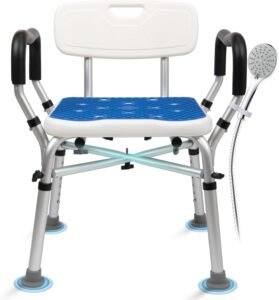
Shower Chair for Inside Shower 500l…
From the brand Modundry Strive to create a healthy, clean, and comfortable living space! Modundry is…