
Daily Care Tips for Preventing Pressure Sores and Skin Irritation
Pressure sores (also called pressure injuries or bedsores) and skin irritation are common challenges for people with limited mobility, chronic conditions, or sensitive skin. Daily, focused care reduces risk and helps preserve skin integrity.
This guide offers practical, evidence-informed steps caregivers and individuals can use every day: inspection routines, repositioning strategies, moisture control, supportive surfaces, and simple equipment choices that make prevention easier and safer.
Understand risk factors and inspect proactively
Know the common risk areas (heels, sacrum, elbows, shoulder blades, and under medical devices) and check skin twice daily. Look for redness that does not blanch, persistent warmth, new hardness, or broken skin. Early detection is the most important step to prevent progression.
For people with diabetes or poor circulation, specialized products such as Diabetic Foot Care Products can support skin health on load-bearing areas of the feet and reduce one source of pressure-related complications.
Daily skin inspection checklist and documentation
Create a short routine to inspect, document, and act. Consistency helps spot subtle changes before they become serious:
- Inspect high-risk areas each morning and evening.
- Note color changes, temperature, moisture, and integrity in a simple log.
- Photograph (with consent) to track progression if needed.
Wearing breathable, protective garments like Diabetic Socks can reduce friction and wick moisture, helping keep skin calmer during daily activities.
Repositioning and safe transfers
Regular repositioning reduces prolonged pressure on one area. For someone who is bed-bound, reposition at least every two hours; for seated individuals, shift weight every 15–30 minutes if possible. When moving or turning a person, use techniques and aids to minimize shear and friction.
Using aids such as Patient Transfer Sheets makes turns and lifts smoother, reduces caregiver strain, and lowers shear forces on fragile skin.
Choose appropriate support surfaces
A good support surface redistributes pressure and reduces hotspots. Options range from pressure-relieving cushions and overlays to specialized mattress pads. Even simple, well-designed repositioning pads can make a measurable difference in pressure distribution.
The Multipurpose 48″ x 40″ Positioning Bed Pad is an example of a reusable positioning aid that facilitates safe turning and reduces friction during transfers.
Seating, posture, and supportive chairs
For people who sit for extended periods, an adjustable seating solution that helps them stand and redistribute weight reduces continuous pressure on the same tissues. Encourage neutral posture, use arm and foot supports, and avoid slumping.
Power-assisted seating, such as Power Lift Recliner Chairs, can help a person change position more frequently and safely, lowering the risk of prolonged pressure and easing caregiver assistance.
Moisture control, hygiene, and bathing aids
Excess moisture from perspiration, incontinence, or wound drainage increases friction and maceration. Keep skin dry with gentle cleansing, pat-dry techniques, and moisture-barrier products when indicated. Avoid harsh soaps that strip natural oils.
Safe, comfortable bathing supports hygiene without increasing risk. A stable shower chair such as the Shower Chair for Inside Shower 500lbs Bariatric Shower Seat helps maintain independence and reduces slips, enabling thorough but gentle cleaning of skin folds and vulnerable areas.
Mobility, nutrition, and overall skin resilience
Encourage mobility at any level — even small, frequent position changes improve circulation. Support adequate protein, calories, vitamins, and hydration because tissue repair and skin resilience depend on nutrition.
Assistive devices that encourage safe movement, including transfers and standing, complement repositioning strategies and reduce continuous loading on the same tissue sites.
Monitoring, alarms, and caregiver supports
When people are at risk of wandering or unsafe attempts to rise, monitoring systems can alert caregivers to activity so they can intervene before a fall or a prolonged unassisted period in an unsafe position occurs.
Institutions and home caregivers can evaluate options such as Bed Exit Alarm Systems to help detect unassisted movements that could lead to pressure exposure or injury.
Practical product for early alerts
For caregivers seeking a specific, ready-to-use solution, devices like the Smart Caregiver Bed Exit Alarm with Wireless Pager can provide timely alerts so repositioning or assistance happens before a risky period becomes harmful.
Checklist: Daily prevention steps
- Inspect high-risk sites morning and evening; log findings.
- Reposition bedridden persons at least every 2 hours; encourage seated shifts every 15–30 minutes.
- Use transfer tools and positioning pads when moving someone to reduce shear.
- Keep skin clean, dry, and moisturized as appropriate; protect fragile areas from moisture.
- Ensure footwear and socks reduce friction (choose cushioned, non-binding options).
- Monitor nutrition and hydration; consult professionals for suspected deficiencies.
- Use alarms or monitoring if unassisted movement poses a safety risk.
- Document changes and contact healthcare providers when redness, open skin, or unusual signs appear.
FAQ
Q: How often should I reposition someone who is bed-bound?
A: Aim for repositioning every two hours while awake and asleep, adjusting frequency based on skin condition, comfort, and clinical guidance.
Q: Can special socks or footwear really help prevent pressure sores?
A: Properly fitted, breathable socks and cushioned footwear reduce friction and shear on the feet; products such as Diabetic Socks are designed with these features in mind.
Q: What should I do if I find a red spot that doesn’t fade?
A: Reduce pressure on the area immediately, document the finding, and seek clinical advice. Early professional assessment guides dressing choices and further care.
Q: Are bed alarms effective for pressure sore prevention?
A: Bed alarms help by notifying caregivers of unassisted movement or prolonged immobility so they can intervene; consider systems like Smart Caregiver Bed Exit Alarm with Wireless Pager for timely alerts.
Q: How do I choose a support surface for home use?
A: Consider risk level, comfort, and practicality. Simple overlays and positioning aids such as a Positioning Bed Pad help repositioning; consult a clinician for higher-risk needs.
Conclusion
Preventing pressure sores and skin irritation is a daily, practical process: inspect, reposition, manage moisture, support nutrition, and use the right aids. Small, consistent actions and appropriate equipment make a big difference in outcomes and comfort.
Takeaway: establish a short daily routine that includes inspection, scheduled position changes, skin care, and use of supportive aids—then document and adjust based on what you observe.
Products Featured in This Article
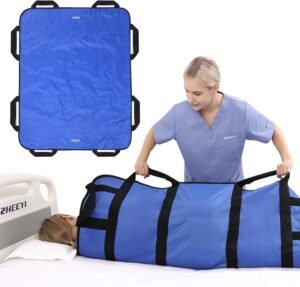
Multipurpose 48″ x 40″ …
Product description A wonderful assistive device for caregivers to take care of bedridden individuals.Get ZHEEYI transfer…
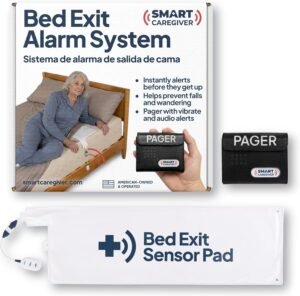
Smart Caregiver Bed Exit Alarm with…
From the brand Reduce Accidents Get early alerts the moment your loved one begins to move…
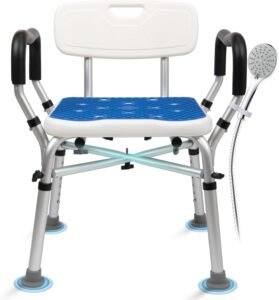
Shower Chair for Inside Shower 500l…
From the brand Modundry Strive to create a healthy, clean, and comfortable living space! Modundry is…