
Essential Bathroom Safety Tips for Older Adults
The bathroom is one of the highest-risk rooms in the home for older adults. Slippery floors, sudden movements, and limited space can create situations that lead to falls and injuries. A few targeted changes reduce risk significantly and make daily routines safer and more comfortable.
Start with a practical assessment and plan that matches the person’s mobility, balance and health needs. For product options and categories that address common safety needs, see EveMedical for a curated selection of mobility and care solutions.
1. Assess mobility, balance and night-time risk
Before making changes, evaluate how the older adult moves: do they steady themselves with a hand on the sink, use furniture for support, or need a walking aid? Small differences in stability change which solutions work best. If frequent nighttime trips are a problem, consider monitoring or alert options to reduce rushed movements. For caregivers and families looking for bedroom-to-bathroom fall-prevention tools, Bed Exit Alarm Systems can support timely assistance and reduce risky, unassisted movement at night.
2. Clear, safe pathways and good lighting
Make the route to and inside the bathroom as simple as possible. Remove rugs and clutter; ensure doorways and floors are level or ramped where needed. Install motion or touch-activated lighting so the space is well lit during night visits. If the person uses a mobility aid, plan turning radii and landing space: discuss with a therapist whether items such as Underarm Crutches or other walking supports are appropriate—and if they are, how to use them safely in and around the bathroom.
3. Seated bathing: reduce slips and fatigue
Sitting while showering or bathing reduces both fall risk and exhaustion. A sturdy shower seat adds stability and lets the person shower safely for longer. For many older adults, a purpose-built bariatric shower chair with arms, back support and adjustable height provides a secure, comfortable option: consider a product like the Shower Chair for Inside Shower (500 lbs) that offers reinforced support and multiple height settings.
4. Grab bars, seating and transfer aids
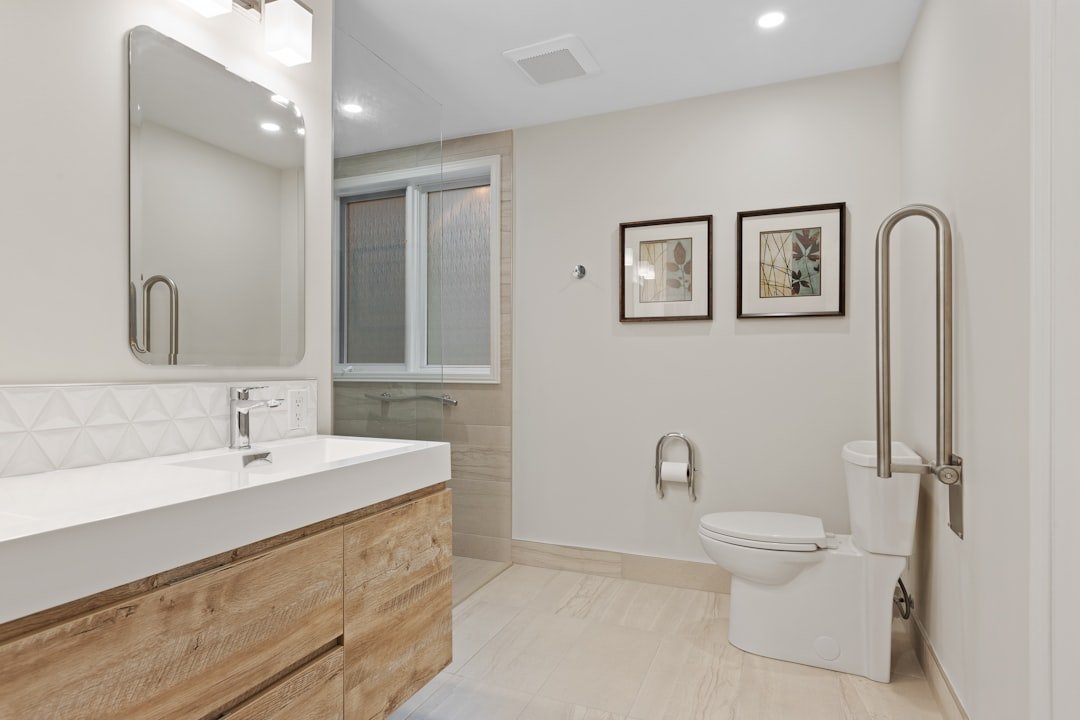
Install grab bars near the toilet, in the shower and along the bathtub wall at heights that suit the individual’s reach. Position bars so they assist both sitting and standing motions. For safe transfers—such as turning from a wheelchair or seat to the toilet—use tools that reduce twisting and lifting by caregivers. Transfer sheets and repositioning aids lower friction and protect backs during assisted moves; see options for Patient Transfer Sheets to support safer transfers.
5. Mobility aids and transport options for the bathroom
Some older adults benefit from wheeled mobility for short indoor trips. Lightweight, easy-to-maneuver options can reduce the effort and instability of walking to and from the bathroom. If a seated transfer to the toilet or shower is needed, consider models and accessories designed for indoor use. For options tailored to assisted mobility, review Transport Wheelchairs to determine whether a compact transport chair is appropriate for your layout and care plan.
6. Foot care, footwear and skin protection
Healthy feet and proper footwear reduce slips and avoid infections that make mobility worse. For older adults, especially those with diabetes or circulation issues, use gentle foot-care products and non-constricting socks. Look for specialized options like Diabetic Foot Care Products to protect skin and reduce risk of ulcers. Comfortable, moisture-wicking support also helps: consider Diabetic Socks for better circulation and reduced friction inside shoes and slippers.
7. Simple routines, grab-and-reach organization
Organize commonly used items within arm’s reach to prevent bending or reaching while standing on a wet floor. Use non-slip shelving, suction-cup caddies or mounted dispensers for soap and shampoo. Keep a waterproof towel or robe near the shower seat so the person can dry off while still seated. Train caregivers to use a stable stance and, when needed, a transfer aid instead of lifting.
8. Maintenance and habit checks
Periodically test grab bars, shower seats and non-slip mats for wear, loose fittings or cracks. Replace worn anti-slip mats and refresh caulking to prevent mold that can reduce traction. Encourage a habit of turning on lights, securing mats and sitting whenever possible—small routines prevent many accidents.
Quick bathroom safety checklist
- Install grab bars by toilet and in shower; test for stability.
- Use a sturdy, adjustable shower chair and a non-slip mat in the shower.
- Keep pathways clear and install night lighting to the bathroom.
- Store essentials within arm’s reach; avoid bending on wet floors.
- Schedule regular foot checks; use diabetic foot-care products and socks if needed.
- Discuss mobility aids and transfers with a healthcare professional; consider transfer sheets and transport chairs as indicated.
FAQ
Q: Do I need to remove the bathtub entirely for safety?
A: Not always. Many people make the bathtub safer by adding a low-threshold walk-in conversion, a secure shower chair, and grab bars. A professional assessment can identify whether removal is necessary.
Q: Are suction-cup grab bars safe?
A: Suction-cup grab bars are convenient for travel but can be less reliable than permanently mounted bars. Use them only as temporary aids and test them carefully before each use.
Q: Should older adults walk to the bathroom at night if they use a bed alarm?
A: Bed alarms notify caregivers and can reduce unassisted night-time movements. If a bed alarm is in place, arrange for prompt assistance rather than encouraging independent trips when balance or vision is impaired.
Q: What footwear is safest in the bathroom?
A: Non-slip, well-fitting slippers or shoes with rubber soles and heel support reduce slips. Avoid socks alone on wet tiles; if socks are needed for warmth, choose non-slip socks or diabetic socks with grip.
Q: How do I choose between a shower chair and a bath bench?
A: Choose a shower chair when the person needs full back support and seating inside a shower stall. A bath bench spans the tub edge for seated transfers; select the option that matches tub/shower design and the user’s transfer ability.
Q: Can family members safely help with transfers?
A: Family help is valuable, but safe transfers require proper technique to protect both the caregiver and the older adult. Use transfer aids like sheets, belts or designated equipment and seek training from a therapist whenever possible.
Conclusion
Small, targeted changes in the bathroom—better lighting, secure seating, reliable grab bars, and appropriate mobility and foot-care products—produce big safety gains. Start with an honest mobility assessment, prioritize the highest risks (slips and rushed night trips), and add aids that match the individual’s needs. Practical upgrades and simple routines make daily care safer and help older adults maintain independence with confidence.
Products Featured in This Article
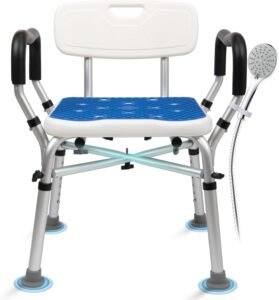
Shower Chair for Inside Shower 500l…
From the brand Modundry Strive to create a healthy, clean, and comfortable living space! Modundry is…