
Essential Home Healthcare Tips for Family Caregivers
Caring for a family member at home is rewarding and demanding. Practical routines, the right tools, and thoughtful home changes reduce risk, improve comfort, and make daily care more predictable for both caregiver and patient.
This guide gives clear, actionable steps you can use today: safety checks, mobility support, vital-sign monitoring, medication handling, and simple pressure-care strategies. Use it as a checklist to create a safer, more manageable care environment.
Start with a clear care plan
Begin by listing the person’s needs: mobility level, medications and schedules, routine vitals to track, wound or skin concerns, and doctor-recommended therapies. Assign who will do which tasks, set realistic time blocks, and keep a written or digital care log that records medications given, vitals, and any changes in behavior or symptoms.
Create a safer home — fall prevention
Most home accidents are falls. Walk each room from the patient’s perspective: remove loose rugs, secure cords, add non-slip mats, and ensure clear pathways between bed, bathroom and common areas. Install grab bars and a seat in the bathing area when mobility is limited; a sturdy shower chair can prevent slips and make bathing safer and more dignified.
Choose and use mobility aids correctly
Select mobility aids that match strength and balance. For short-term or post-op walking support, consider underarm crutches, and for longer-term or better ergonomics choose forearm crutches. Proper sizing and training on gait techniques are critical—incorrect use increases fall risk and strain. If possible, have a physical therapist fit and demonstrate correct use and adjustments.
Monitor vital signs routinely
Regular monitoring helps you spot trends before they become emergencies. A reliable thermometer is one of the simplest tools; keep a digital option on hand for quick, accurate readings: digital medical thermometers are easy to use and often include memory functions to track trends. Record readings and note symptoms that accompany changes.
Blood pressure and cardiovascular checks
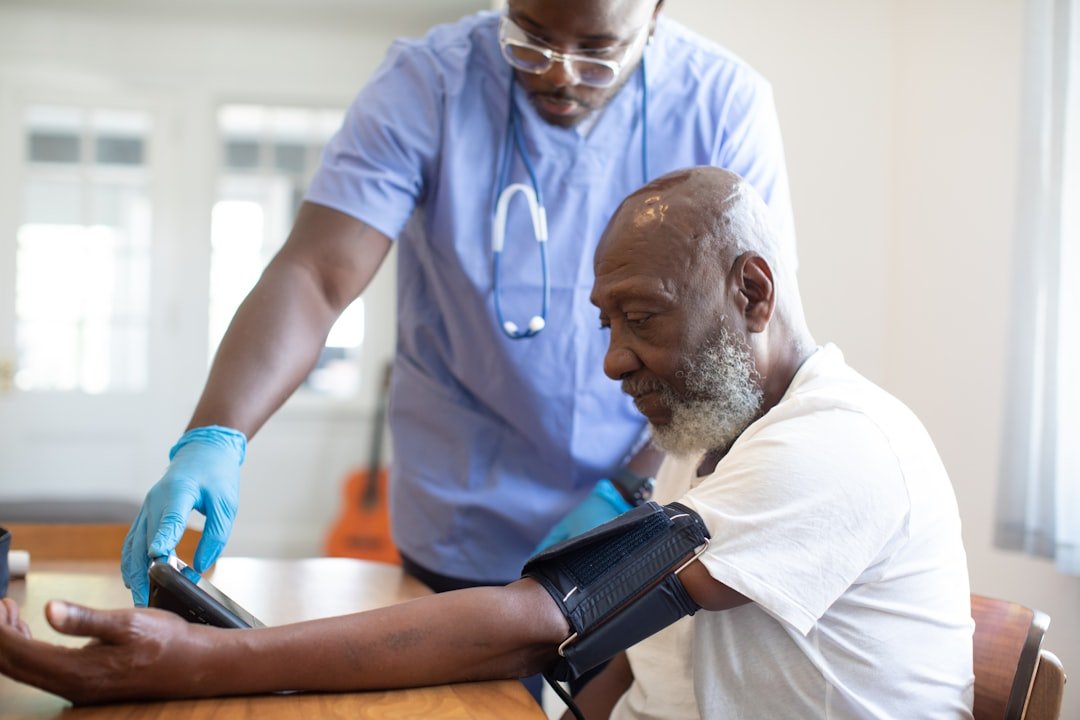
High or low blood pressure can cause dizziness, falls, or worsening chronic disease. If the person needs regular BP checks, an automatic upper arm blood pressure monitor provides consistent, easy-to-read measurements. Use the same cuff position each time, measure at rest, and log values. If values are consistently outside the expected range, contact the clinician for guidance.
Respiratory monitoring and oxygen safety
For anyone with lung disease, heart failure, or concern about oxygen levels, a pulse oximeter gives fast feedback on oxygen saturation and pulse rate. Keep a handheld pulse oximeter available and learn the baseline values for the person you care for. If the person uses supplemental oxygen, follow the equipment manual for maintenance and ensure tubing and masks are clean and unobstructed.
Medication, diabetes care, and sharps safety
Organize medications with a weekly pill organizer or daily dosing tray and keep an up-to-date medication list with doses and times. If injections, fingersticks, or insulin are part of care, dispose of needles and lancets safely in an approved medical sharps container. Label containers and store them out of reach of children; plan for proper disposal per local regulations.
Transfers, repositioning and pressure injury prevention
Reposition bedbound patients regularly to prevent pressure injuries. Use a quality transfer or positioning aid to move people safely and reduce caregiver strain. A multipurpose positioning bed pad helps with turning, lifting slightly, and protecting bedding during repositioning.
Equipment care and simple maintenance
Establish a maintenance schedule for devices: clean thermometers, replace batteries in monitors, check crutch tips and shower chair hardware, and keep devices charged. Store manuals and warranty info in a labeled folder. Routine checks reduce equipment failures and avoid last-minute trips to replace critical items.
Nutrition, hydration and skin care
Monitor intake and weight. Encourage small, nutrient-dense meals and fluids throughout the day if appetite is low. Inspect skin daily for redness, blisters, or wounds—especially over bony prominences and under medical devices. Keep skin clean and moisturized, and report any concerning changes promptly.
Caregiver health and burnout prevention
Schedule breaks, ask for help, and use available respite services. Good caregiving requires that you stay physically and mentally well: maintain sleep routines, accept help for errands or tasks, and seek local caregiver support groups or counseling when needed.
Quick checklist for daily home care
- Review and update the daily care plan and medication list.
- Check pathways, rugs, and lighting for fall hazards.
- Take and record vitals (temperature, BP, SpO2) at scheduled times.
- Confirm mobility aids are adjusted and in good condition.
- Empty sharps container when it’s near capacity and replace safely.
- Reposition bedbound patients every 2 hours and inspect skin.
- Keep hydration and high-protein snacks available.
- Schedule at least one 30–60 minute break for the caregiver daily.
FAQ
Q: How often should I take vitals at home?
A: Follow the clinician’s instructions. For stable chronic conditions, once or twice daily may suffice; for new symptoms or recent discharge, measure more frequently and log values.
Q: When should I call emergency services?
A: Call emergency services for sudden severe chest pain, sudden weakness or numbness, severe shortness of breath, sudden loss of consciousness, or uncontrolled bleeding. If unsure, err on the side of prompt evaluation.
Q: How do I dispose of a full sharps container?
A: Follow local health department or pharmacy guidance—many communities offer drop-off or mail-back programs. Never put loose sharps in the trash or recycling.
Q: Can one person safely handle all transfers?
A: It depends on the caregiver’s strength and the patient’s weight. Use transfer aids when possible and get training from a physical therapist. For heavier transfers, request assistance to avoid injury.
Q: What if the patient refuses care or monitoring?
A: Listen to their concerns, explain the reason for monitoring, and offer choices where possible. If refusal affects safety, discuss options with the care team and consider a care conference to develop an agreed plan.
Conclusion
Effective home care combines planning, the right tools, consistent monitoring, and attention to caregiver wellbeing. Start with small, durable changes—clear pathways, a reliable thermometer, safe medication storage, and scheduled repositioning—and build routines that protect both the person you care for and yourself.
Practical takeaway: pick three priorities this week (safety fixes, a monitoring device, and a caregiver break plan) and implement them; these small steps reduce risk and make daily care more sustainable.
Products Featured in This Article
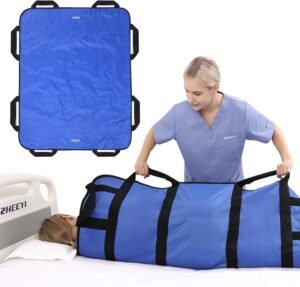
Multipurpose 48″ x 40″ …
Product description A wonderful assistive device for caregivers to take care of bedridden individuals.Get ZHEEYI transfer…
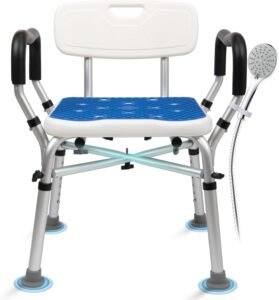
Shower Chair for Inside Shower 500l…
From the brand Modundry Strive to create a healthy, clean, and comfortable living space! Modundry is…