
Living with diabetes becomes more manageable when you build a short, consistent daily routine. A reliable routine reduces surprises, helps you spot trends, and supports better conversations with your care team. This guide gives practical steps you can apply every day — no gimmicks, just habits that work.
Below are clear sections you can follow, with targeted tips on testing, medication, foot care and safety. Adopt the parts that fit your situation and discuss any major changes with your clinician.
Start your day: morning checks that set the tone
Begin each morning with a quick assessment: how you feel, your fasting blood sugar, and any symptoms like dizziness or excessive thirst. Checking your level first thing helps you choose breakfast, insulin dosing, and activity for the morning. Use a reliable device and keep it charged or stocked so measurements are consistent.
Blood Glucose Meters are the core of daily monitoring. Keep the meter in a consistent place and record values in a log or app so patterns become obvious over weeks, not just hours.
Test with confidence: timing, frequency and supplies
Decide testing times that match your treatment plan: fasting, pre-meal, post-meal (1–2 hours after), and at bedtime are common. Frequency depends on whether you use insulin, oral meds, or lifestyle-only management. Always follow your clinician’s recommendations for number of daily checks.
Keep an accessible reserve of test strips and check their expiry dates. Running out of strips makes routine impossible — a planned backup prevents missed checks.
Blood Glucose Test Strips should match your meter model and be stored at room temperature. Track inventory weekly so you reorder before supplies run low.
Lancing and finger care: reduce pain, improve accuracy
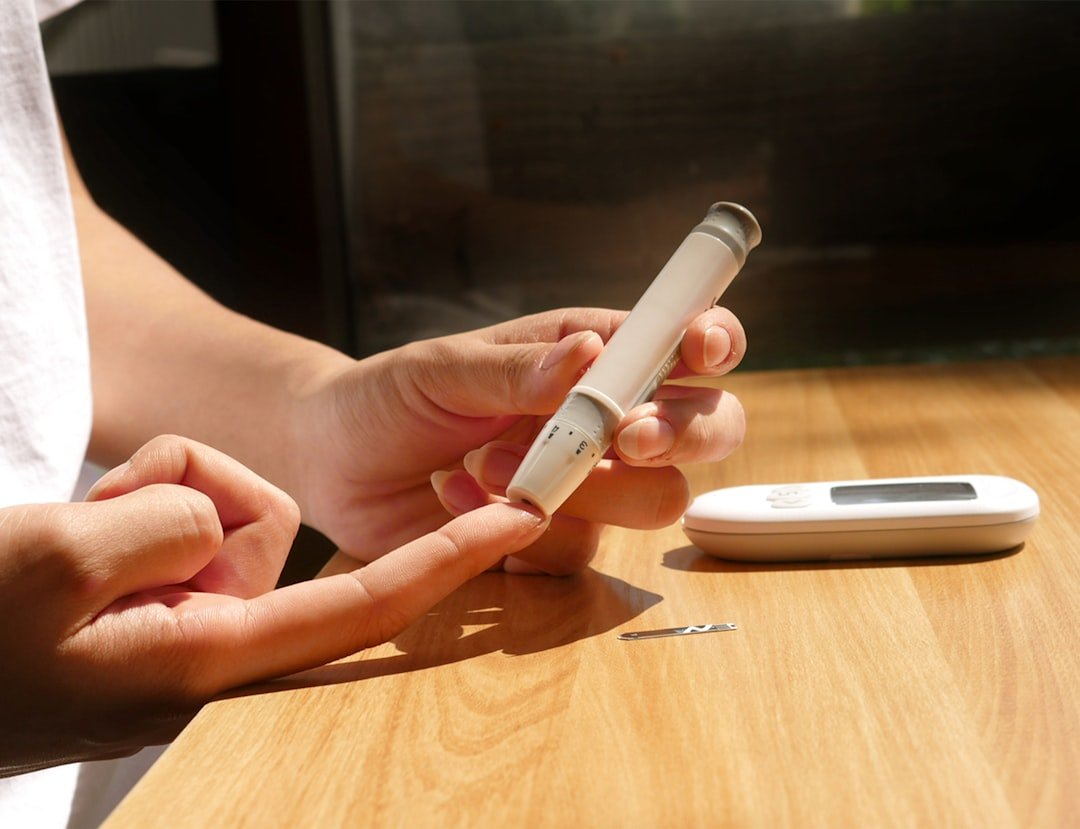
Good technique reduces discomfort and improves results. Choose the side of the fingertip and rotate spots to avoid calluses. Warming your hands or running them under warm water increases blood flow and often gives a better sample with less pain.
Use a proper lancing device with adjustable depth to find the shallowest setting that yields an adequate sample. Maintain the device by cleaning according to manufacturer instructions and replacing parts when worn.
Diabetic Lancing Devices offer adjustable depths and ergonomic designs for regular testing routines.
Choose your lancets and rotate properly
Lancet size and sharpness matter. Finer lancets reduce pain but still need adequate depth settings. Replace lancets regularly — single-use is safest — and avoid reusing lancets to lower the risk of infection or blunt pricks.
Keep a small supply at home and a travel pack for days away so you don’t skip testing. If you experience unusual soreness or signs of infection, consult a healthcare professional.
Diabetic Lancets come in bulk and single-use packs; choose sizes that suit your sensitivity and testing frequency.
Safe sharps handling and disposal
Dispose of used lancets and needles immediately into a puncture-resistant container. Never toss sharps loosely in household trash where they could injure others. Label and store the container out of reach of children and pets until you can dispose of it according to local regulations.
When a container is full, follow community guidelines for disposal or return to a pharmacy or clinic that accepts sharps. Good disposal practices protect both you and your household.
Medical Sharps Containers are designed for safe, temporary storage and transport of used lancets and needles.
Medication routines and travel-ready insulin care
Keep a predictable medication schedule. Tie doses to daily anchors — breakfast, lunch, dinner, or bedtime — and set alarms until it becomes habit. Track doses in a simple log: time, amount, and any reasons for variation (missed meal, extra exercise).
If you travel or commute, protect insulin from temperature extremes. Insulin efficacy declines if frozen or overheated. Keep a small insulated case with cooling packs ready so you can safely carry pens or vials when you’re away from home.
Insulin Travel Cooler Cases help maintain safe temperatures for daily travel and short trips.
Foot care: daily inspection and simple prevention
Inspect your feet every day for cuts, redness, swelling, or blisters. Use a mirror or ask for help if you can’t see the soles. Keep nails trimmed straight across, moisturize dry areas (but not between toes), and wear well-fitting shoes to reduce pressure points.
Addressing small issues promptly prevents larger problems. If you notice persistent sores, deep cracks, or signs of infection, contact your healthcare provider without delay.
Diabetic Foot Care Products include creams and gentle tools to keep skin healthy and reduce risks.
Comfort and prevention: socks, shoes and daily supports
Choose socks and shoes that reduce friction and improve circulation. Socks designed for diabetes typically have non-binding tops, extra padding in key areas, and moisture-wicking fabrics. Rotate shoes and use inserts if you need extra cushioning or pressure redistribution.
Wearing the right socks and rotating footwear helps prevent ulcers and calluses — small habits that protect mobility and independence.
Diabetic Socks are designed to reduce pressure and improve overall foot comfort in daily wear.
Quick daily checklist
- Morning fasting glucose check recorded
- Test before meals and 1–2 hours after large meals as advised
- Use fresh lancet; dispose in a sharps container
- Take medications on schedule; carry insulin cooler when traveling
- Inspect feet and shoes for issues; moisturize dry spots (not between toes)
- Log values or sync with an app; flag trends for your clinician
FAQ
How often should I test each day?
Testing frequency depends on your treatment plan. People on multiple daily insulin injections or insulin pumps usually test more often than those on diet or oral medications. Follow your clinician’s guidance.
What should I carry when I leave home?
Carry your meter, enough test strips and lancets for the day, a sharps travel case for used lancets if needed, backup medication, and an insulin cooler if you use insulin. Planning prevents missed doses and checks.
How do I know if a meter is accurate?
Meters should be used according to their instructions and with compatible test strips. Perform control solution checks as recommended by the manufacturer or your care team. If results seem inconsistent, check strip expiration and storage conditions.
Can I reuse lancets or sharps?
Reusing lancets is not recommended. Single-use reduces infection risk and keeps pricks less painful. Dispose used lancets in a puncture-resistant container and replace components as directed.
What are warning signs that need immediate attention?
Severe hyperglycemia (very high readings with dehydration), hypoglycemia (very low readings with dizziness, confusion, or fainting), or a foot wound with redness, drainage, or increasing pain require prompt medical attention.
Conclusion
Build a compact, repeatable routine focused on reliable testing, safe sharps handling, medication consistency, and daily foot care. Small, consistent habits reduce risk and make diabetes management part of your day, not the center of it. Start with one or two changes this week and add more as they become second nature.