
How to Use a Shower Chair Safely and Comfortably
Shower chairs can restore independence for people with limited balance, mobility, or fatigue. Using one correctly reduces fall risk, improves comfort, and makes bathing more dignified for users and caregivers.
Before you begin, review product options and look for features you need. For a quick overview of related supplies and mobility options available through our store, see EveMedical.
Choose the Right Shower Chair
Select a chair rated for your weight, sized for your shower, and equipped with the features that match your needs—armrests, back support, non-slip feet, and height adjustability. If you need a heavy-duty option built for stability and a higher load capacity, consider the Shower Chair for Inside Shower 500lbs, which includes armrests, back support, and multiple height settings.
Install and Position the Chair Correctly
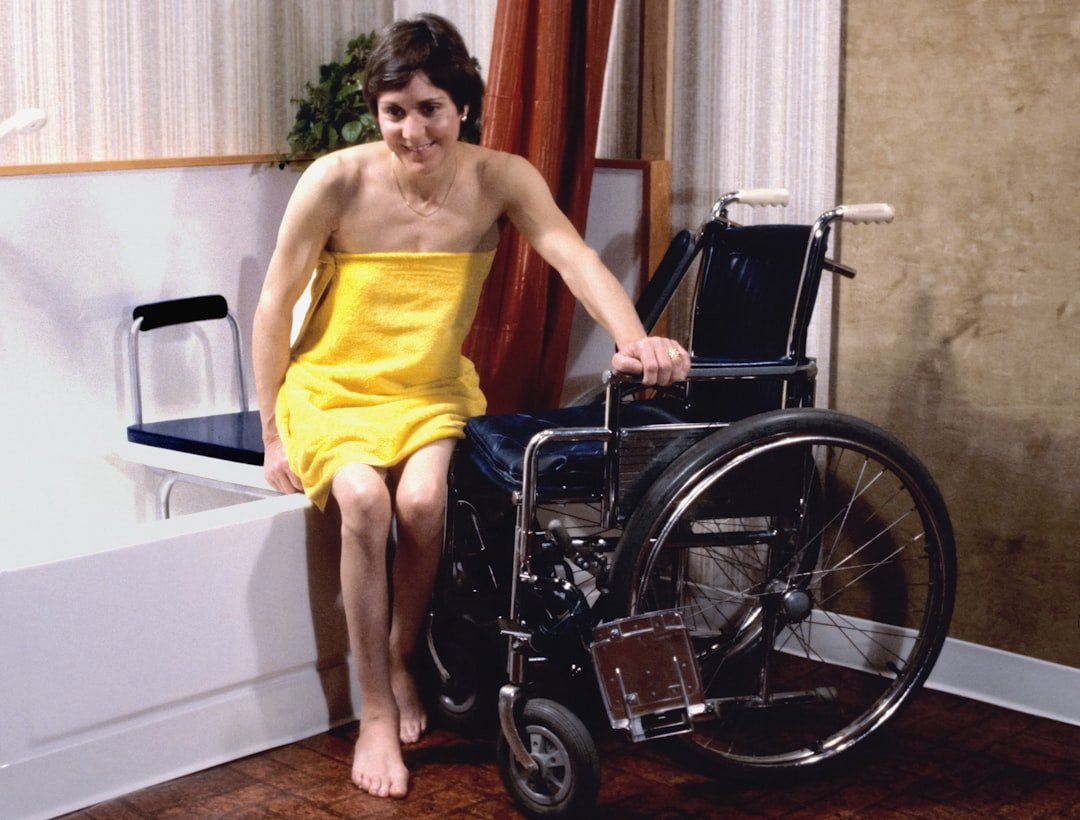
Place the chair on a dry, level surface before the user enters the shower. If your shower floor is slightly uneven, adjust the chair legs so all feet sit flat. Position the chair so the user can pivot or scoot from the edge of the tub or seat of a toilet without twisting the spine.
Check these points each time before use: feet are secure on the floor, no wobble or movement, seat locked if it folds, and drainage holes are unobstructed. Keep the showerhead and soap within comfortable reach to minimize stretching.
Safe Transfers On and Off the Chair
Plan transfers before beginning. A safe transfer may be a pivot, stand-and-sit, or sliding transfer depending on the user’s strength and range of motion. When users need assistance, use steady, coordinated movements and avoid sudden pulls or twists.
For situations where sliding or repositioning is required, consider using a transfer sheet or repositioning aid to reduce friction and protect caregivers’ backs. A multi-use transfer sheet such as the Multipurpose 48″ x 40″ Positioning/Transfer Sheet can help with safer lateral moves and repositioning onto or off the shower chair.
Getting to and From the Bathroom
Consider the full route to the shower when planning a safe bath routine. If walking long distances is tiring or hazardous, a lightweight transport wheelchair can bridge the gap from bedroom to bathroom and reduce the number of transfers needed. Look into a suitable model like those in the Transport Wheelchairs category to match door widths and storage needs.
Adjust Height, Seat Angle, and Comfort
Set the shower chair height so the user can sit with hips and knees roughly at 90 degrees and feet flat on the shower floor. If the chair seat is too high or too low, transfers become awkward and unsafe. Armrests should support controlled pushing to stand, but not force the user to crane forward.
If drying, dressing, or rest is needed right after the shower, consider a comfortable chair nearby. A supportive option with lift and recline functions can make sit-to-stand easier for those who tire quickly—explore compatible solutions in our Power Lift Recliner Chairs category for ideas about post-shower seating and safe standing assistance.
Prevent Slips: Mats, Grab Bars, and Foot Care
Non-slip mats, textured flooring, and properly installed grab bars are essential complements to a shower chair. Place a non-slip bath mat outside the shower area and consider grab bars mounted horizontally and vertically near the chair and the shower entrance.
Pay attention to skin and foot condition. For people with diabetes or reduced sensation, proper foot hygiene and skin protection reduce infection and injury risk. Browse supportive products and creams in the Diabetic Foot Care Products category to help keep skin healthy and reduce slippage from dry or cracked skin.
When moisture and circulation are concerns, appropriate footwear or protective socks help maintain grip and warmth. Consider choosing specialized options from our Diabetic Socks collection for non-restrictive, comfortable options designed for sensitive feet.
Using Mobility Aids and Accessories Safely
Some users rely on crutches, walkers, or other aids to reach the bathroom. If crutches are used, forearm crutches offer more forearm support and can be easier to manage when moving wet surfaces are nearby; review options in the Forearm Crutches category to match the person’s balance and strength needs.
Accessories such as shower benches, handheld showerheads, and transfer benches can reduce unnecessary movement. Always ensure accessories are rated for weight and installed per manufacturer instructions.
Cleaning, Maintenance, and Storage
Rinse and dry the chair after every use to prevent mold and mineral buildup. Inspect rubber tips, suction cups, or anti-slip feet weekly for wear—replace them immediately if cracked or thin. Tighten leg grips and check that all height adjustment pins engage fully.
If the chair is foldable, store it in a dry place when not in use to extend its life. Keep manufacturer instructions and spare parts handy, and note replacement part numbers for quick reordering.
Checklist: Quick Safety and Comfort Steps
- Verify chair weight rating and fit for the user.
- Ensure non-slip feet contact the floor; adjust leg heights as needed.
- Install grab bars within reach from the chair and entries.
- Plan and practice safe transfer technique; use a transfer sheet when needed.
- Keep a handheld showerhead, soap, and towel inside easy reach.
- Dry and inspect the chair after each use; replace worn parts promptly.
- Address foot care and proper footwear to reduce slips and skin issues.
FAQ
Q: Can anyone use a shower chair?
A: Most people with balance, endurance, or mobility limitations can benefit, but choose the right model for weight capacity, seat size, and medical needs. If in doubt, consult a clinician or therapist for recommendations.
Q: Where should grab bars be placed relative to the chair?
A: Install at least one horizontal bar beside the seat for lateral support and another vertical or angled bar near the shower entrance for steadying during entry and exit. Height should allow a neutral wrist position when pushing up.
Q: How do I know if my chair needs replacement parts?
A: Replace components when rubber feet are worn, legs no longer lock securely, or plastic is cracked. Routine weekly checks will reveal issues before they become dangerous.
Q: Are transfer sheets necessary?
A: Not always. They are useful when a user needs assistance for lateral moves or when friction makes sliding transfers difficult. They protect both user skin and caregiver backs.
Q: Can I sit on a shower chair while shampooing hair?
A: Yes—sitting reduces fatigue and fall risk. Use a handheld showerhead, keep supplies within reach, and lean forward cautiously when rinsing to avoid losing balance.
Conclusion
Using a shower chair safely means matching the chair to the user, planning transfers, maintaining non-slip surfaces, and attending to comfort and foot care. With the right setup and regular checks, a shower chair can make bathing safer and more comfortable for both users and caregivers.
Products Featured in This Article
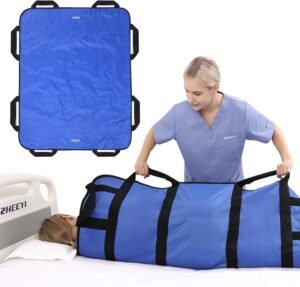
Multipurpose 48″ x 40″ …
Product description A wonderful assistive device for caregivers to take care of bedridden individuals.Get ZHEEYI transfer…
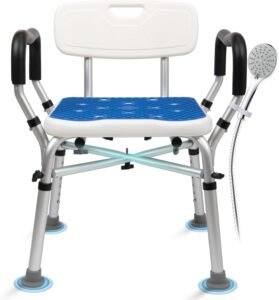
Shower Chair for Inside Shower 500l…
From the brand Modundry Strive to create a healthy, clean, and comfortable living space! Modundry is…