

A safe bedroom is the foundation of quality home care. For patients with mobility limits, cognitive changes, or chronic conditions, thoughtful bedroom design reduces falls, simplifies care tasks, and supports dignity.
This guide lays out practical, evidence-informed steps caregivers and families can use to create a safer bedroom environment without major renovation. Use the checklist and product-aware suggestions to prioritize changes that impact safety and comfort the most.
1. Assess layout and remove trip hazards
Start with a room walkthrough at the patient’s usual pace—standing, sitting, and transferring. Look for loose rugs, electrical cords across walking paths, clutter near the bed, uneven thresholds, and furniture that narrows routes to the bathroom or door.
Keep a 36-inch clear path on at least one side of the bed to allow transfers and equipment movement. Consider replacing thick rugs with low-profile, non-slip options or removing them entirely. Position frequently used items—phone, tissues, water—within easy reach to avoid unnecessary walking at night.
2. Improve bed safety and monitoring
For patients at risk of falls or disorientation, bed-exit alerting offers an early warning and reduces response time. Choose a system that matches the caregiver workflow—pressure-sensing pads, wireless alerts, or integrated alarm mats.
Explore options in Bed Exit Alarm Systems to compare sensing styles, alert ranges, and caregiver notification methods. For many households, a plug-and-play unit with pager alerts is an effective first investment.
3. Choose supportive seating and positioning aids
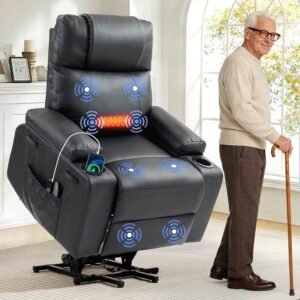
Getting in and out of chairs safely matters as much as bed transfers. A powered lift recliner can assist standing and sitting while providing stable, comfortable seating for extended periods. They also reduce strain on caregivers during repositioning.
Where appropriate, consider a reliable model with easy-to-use controls and firm armrests—select product features that match the patient’s strength and cognitive abilities. A practical option to review is the Power Lift Recliner Electric Chair, which combines lift assist with adjustable positions.
4. Equip safe mobility and transfer tools
Provide mobility aids that fit the patient’s condition and home layout. Forearm crutches and other supportive devices offer better upper-body weight distribution than underarm crutches for some users, and walkers or canes may be more appropriate for short-distance stability.
Choose aids that are sized correctly and in good condition; padded handgrips and anti-slip tips enhance safety. See available supportive devices such as Forearm Crutches when assessing options, and involve a physical therapist in final selections when possible.
5. Diabetes-related foot and medication safety
For patients with diabetes, preventing foot injuries and maintaining medication safety are priorities. Keep the bedroom stocked with gentle, non-irritating foot care products, properly fitting socks, and a dedicated place for insulin and testing supplies.
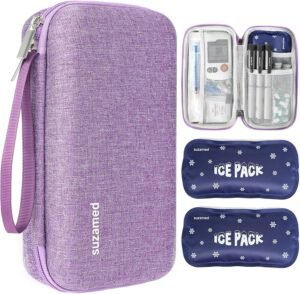
Regularly inspect feet for cuts, redness, or pressure areas and use supportive footwear or diabetic-specific products to reduce injury risk. Browse suitable options under Diabetic Foot Care Products. If the patient travels or moves between rooms, a compact insulated case like the suzamed Insulin Cooler Travel Case protects insulin potency and keeps doses organized for caregivers.
6. Safe handling and disposal of sharps and medications
Establish a single, secure location for all medications and sharps in the bedroom and label it clearly. Keep sharps containers within reach but out of sight of visitors and patients with cognitive impairment. Use a dedicated container for needles and lancets and replace it when three-quarters full to avoid overfilling.
Consider compact, purpose-made containers for home use; for instance, the Alcedo 1 Quart Sharps Container offers a secure, portable solution appropriate for bedrooms and bedside medication stations.
7. Manage pain and sensory needs safely
Some patients benefit from non-pharmacologic pain relief such as transcutaneous electrical nerve stimulation (TENS) devices. TENS units can reduce reliance on systemic pain meds when used correctly under professional guidance.
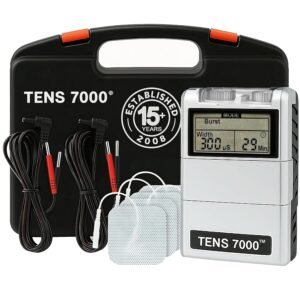
Choose an easy-to-operate device with clearly labeled intensity controls and provide training for both the patient and caregiver. A popular, cost-effective option is the TENS 7000 Digital TENS Unit, which includes adjustable channels and accessory leads for flexible use.
8. Lighting, alarms, and nighttime assistance
Proper lighting reduces disorientation and fall risk. Use layered lighting: a bright overhead light for dressing, a softer nightlight for brief trips, and motion-activated path lights that illuminate the route to the bathroom. Keep switches reachable from the bed and consider remote or voice-activated controls if manual switches are difficult to operate.
Install smoke and carbon monoxide alarms and test them monthly. Combine audible alerts with visual cues if the patient has hearing loss. For patients prone to nighttime wandering, pair lighting strategies with bed-exit monitoring to ensure early detection and safe intervention.
Checklist: Quick bedroom safety actions
- Clear 36″ pathway from bed to bathroom/door; remove loose rugs or secure with non-slip backing.
- Install and test bed-exit alarm systems; choose a wireless pager or caregiver-alert setup.
- Place a sturdy chair with armrests near the bed; consider a power lift recliner if transfers are difficult.
- Provide properly fitted mobility aids (crutches/walker/cane) and check anti-slip tips.
- Organize diabetes supplies and use an insulated case for insulin when needed.
- Keep a sealed sharps container by the medication station and empty/replace safely.
- Set layered lighting and nightlights; label light switches for ease of use.
- Check alarm batteries monthly and rehearse a simple nighttime plan with caregivers.
FAQ
-
Q: How high should the bed be for safe transfers?
A: Aim for a height that allows the patient’s feet to be flat on the floor and knees at approximately a 90-degree angle while seated. Adjustable beds or a power recliner can help achieve safe transfer heights.
-
Q: Are bed rails always recommended?
A: Bed rails reduce the risk of rolling out of bed for some patients but can introduce entrapment risks. Assess individually and consult a clinician; alternatives include low beds and bed-exit alerts.
-
Q: How do I choose a mobility aid?
A: Selection should be based on balance, strength, and gait. A physical therapist can recommend the best aid and ensure proper fit. For options, review supportive devices such as Forearm Crutches.
-
Q: What’s the best way to store insulin at home?
A: Store unopened insulin in the refrigerator per manufacturer instructions. For daily doses or short trips within the house, a small insulated case like the suzamed Insulin Cooler Travel Case helps maintain stable temperatures.
-
Q: How often should sharps containers be changed?
A: Replace sharps containers when they are about three-quarters full to avoid accidental needle exposure. Use a dedicated container like the Alcedo 1 Quart Sharps Container for bedroom storage.
Conclusion
Small, targeted changes to the bedroom yield large safety gains. Start with clearing pathways, add monitoring like bed-exit alerts, match seating and mobility aids to the patient’s needs, and organize medication and diabetes supplies securely. Use the checklist to prioritize actions and review changes regularly as needs evolve.
Products Featured in This Article
suzamed Insulin Cooler Travel Case,…
Product description The video showcases the product in use.The video guides you through product setup.The video…
TENS 7000 Digital TENS Unit with Ac…
From the brand OUR MISSION: TO PROVIDE NATURAL AND EFFECTIVE PAIN MANAGEMENT THROUGH TENS THERAPY At…

Alcedo 1 Quart Sharps Container (1-…
From the brand Visit the Store Visit the Store Visit the Store DURABLE AND HIGH QUALITY…
Power Lift Recliner Electric Chair …
From the brand Brage Living is a U.S.-based furniture brand specializing in premium bar stools and…