
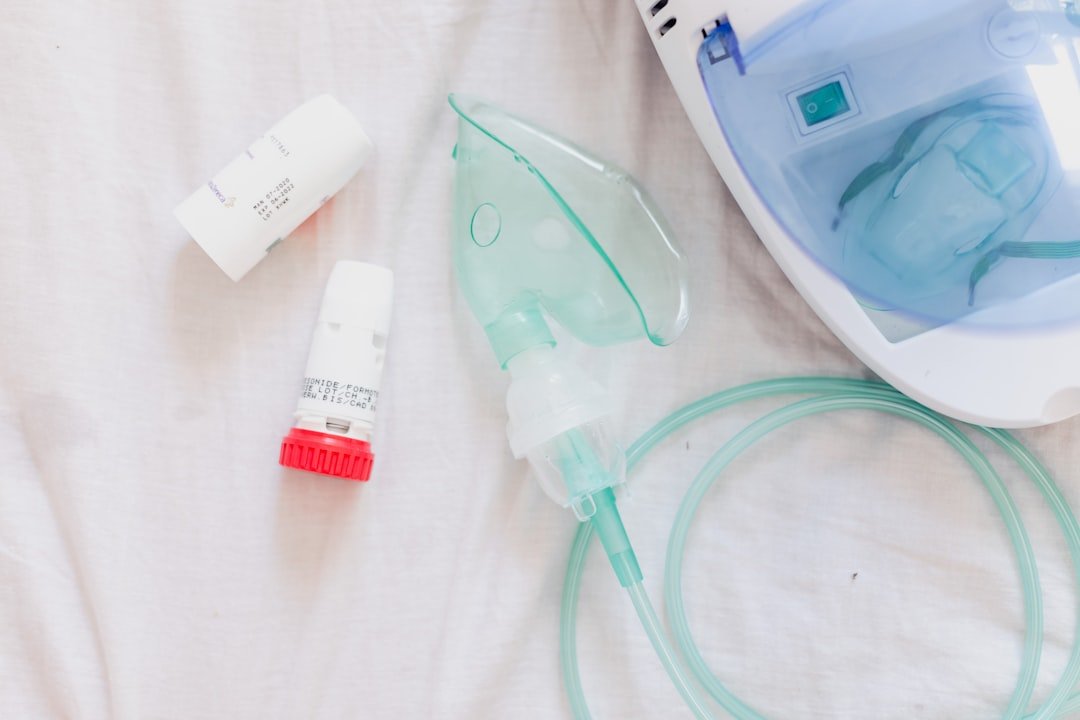
Understanding Nebulizers and How to Use Them Correctly
Nebulizers are a common tool for delivering inhaled medications to people with respiratory conditions. They convert liquid medication into a fine mist that can be inhaled through a mouthpiece or mask, making them useful for infants, older adults, and anyone who has difficulty using inhalers.
At EveMedical, we emphasize safe, practical use alongside proper monitoring and maintenance. This guide breaks down what nebulizers are, when to use them, step-by-step instructions for correct use, cleaning, safety tips, and how to recognize when to seek further care.
What is a nebulizer and how does it work?
A nebulizer is a device that turns liquid medication (often bronchodilators, corticosteroids, or saline) into an aerosol small enough to reach the lungs. There are three main technical components: a medication cup, a compressor or battery-powered atomizer, and a delivery interface (mask or mouthpiece). The compressor or mesh device forces air or vibration through the liquid medication and produces a fine mist for inhalation.
Types of nebulizers: jet, ultrasonic, and mesh
Jet (compressor) nebulizers use compressed air to create aerosol and are common in home settings for their reliability. Ultrasonic nebulizers use high-frequency vibrations and may be quieter but can heat medication slightly, so they’re not suitable for all drugs. Mesh nebulizers pass liquid through a fine vibrating mesh and are compact and efficient, often battery-powered for portability. Choose a type based on prescribed medication compatibility, treatment frequency, and mobility needs.
When to use a nebulizer and what to monitor
Nebulizer treatments are prescribed for conditions such as asthma exacerbations, COPD flares, bronchiectasis, and during acute respiratory infections when inhalers are not practical. Before and after treatments, track breathing and oxygenation. A simple tool to check oxygen saturation at home is a Handheld Pulse Oximeters, which help detect low oxygen levels that warrant urgent care.
Preparing and assembling your nebulizer
Preparation matters for safety and effectiveness. Wash hands, check the medication (correct dose, not expired), and gather supplies. If you dilute medication with saline, measure accurately using a small graduated cup such as ReliMedPro Disposable Medicine Cups. Assemble the medication cup, connect tubing to the compressor or attach the mouthpiece/mask depending on the device, and place the mouthpiece in your mouth or fit the mask snugly on the face.
How to use a nebulizer correctly: step-by-step
Follow these practical steps for an effective treatment:
- Sit upright in a comfortable, slightly forward-leaning position to allow full lung expansion.
- Turn the compressor or device on and breathe slowly and deeply through the mouthpiece, or through the mouth while wearing the mask. Aim for normal tidal breathing with occasional deep breaths.
- Continue until the medication cup is nearly empty and the mist stops (usually 5–15 minutes). Avoid talking or removing the mouthpiece unnecessarily.
- If you have a fever or feel significantly unwell before treatment, check temperature quickly with a reliable tool such as a Non Contact Forehead Thermometers and defer treatment or seek advice if instructed by your clinician.
Cleaning and routine maintenance
Clean after each use to prevent infections and maintain performance. Disassemble the mask/mouthpiece and medication cup, rinse with warm water, and air-dry on a clean surface. Once daily, wash parts (except tubing and compressor case) in warm soapy water, rinse, and disinfect per manufacturer instructions—often a vinegar solution or a manufacturer-specified disinfectant. Replace filters and tubing per the device manual.
For any disposable components or sharps used alongside inhaled therapies (for example, injectable meds administered by some patients), follow local disposal rules and use a dedicated Medical Sharps Containers to reduce risk of injury and contamination.
Troubleshooting and safety tips
Common problems include reduced mist production, noisy compressor, or device not turning on. Check electrical connections, inspect tubing for kinks, and confirm the medication cup is assembled tightly. If mist is weak, replace disposable parts or refer to manufacturer guidance.
If you develop new symptoms during or after nebulization—worsening breathlessness, chest pain, dizziness, or bluish lips—seek medical attention promptly. If clinicians request sputum testing because of infection concerns, use proper collection supplies such as Medical Specimen Containers to collect and transport samples safely.
Practical tips for comfort, mobility, and routine use
Short, frequent treatments can be tiring, especially for older adults or people with mobility limitations. Arrange seating and supplies so treatment is comfortable; for example, a supportive recliner can help maintain an upright posture and ease breathing. Consider options like a Power Lift Recliner Chairs for people who need assistance rising after treatment or who benefit from extra support during longer therapy sessions.
Monitoring progress and when to seek help
Track symptoms, peak flow if advised, oxygen levels, and any side effects from medication. For comprehensive at-home monitoring, consider integrated systems such as Home Vital Signs Monitor Systems that log trends over time and can help you decide when to contact your clinician.
Checklist: Ready for a safe nebulizer treatment
- Medication correct and measured
- Device assembled and working (compressor, tubing, mouthpiece/mask)
- Seated upright and comfortable
- Monitor nearby (pulse oximeter or thermometer if needed)
- Clean, dry parts for next use and disposal plan for any sharps
FAQ
Q: How long does a nebulizer treatment take?
A: Most treatments last 5–15 minutes depending on device and medication volume.
Q: Can I use tap water to rinse nebulizer parts?
A: Rinse with clean tap water after each use, but follow manufacturer instructions for disinfecting—sterile or distilled water may be recommended for some steps.
Q: How often should parts be replaced?
A: Replace disposable medication cups, masks, and tubing per manufacturer guidance or sooner if cracked, cloudy, or damaged. Replace filters on schedule.
Q: Is it safe to use a nebulizer during a respiratory infection?
A: Nebulizers can help delivery medications during infections, but they can generate aerosols. Use in a well-ventilated space, avoid close contact with others during use, and follow public health guidance if infection is suspected.
Q: What should I do if my breathing worsens after treatment?
A: Stop treatment, use rescue inhaler if prescribed, check oxygen with a pulse oximeter, and seek emergency care if severe worsening, chest pain, fainting, or bluish discoloration occurs.
Conclusion: Practical takeaway
Nebulizers are effective when used correctly and maintained consistently. Prepare supplies, follow step-by-step use, clean daily, and monitor breathing and vitals. Use practical aids—pulse oximeters, thermometers, comfortable seating, and disposal containers—to keep treatments safe and effective. Keep a simple checklist nearby and contact your healthcare provider for any concerning changes.
Products Featured in This Article
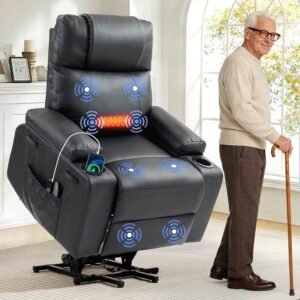
Power Lift Recliner Electric Chair …
From the brand Brage Living is a U.S.-based furniture brand specializing in premium bar stools and…
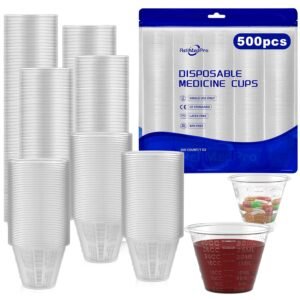
ReliMedPro Disposable Medicine Cups…
Product description Add to Cart Add to Cart Add to Cart Add to Cart Customer Reviews…